The Fishermen's Stories
The Fishermen's Stories
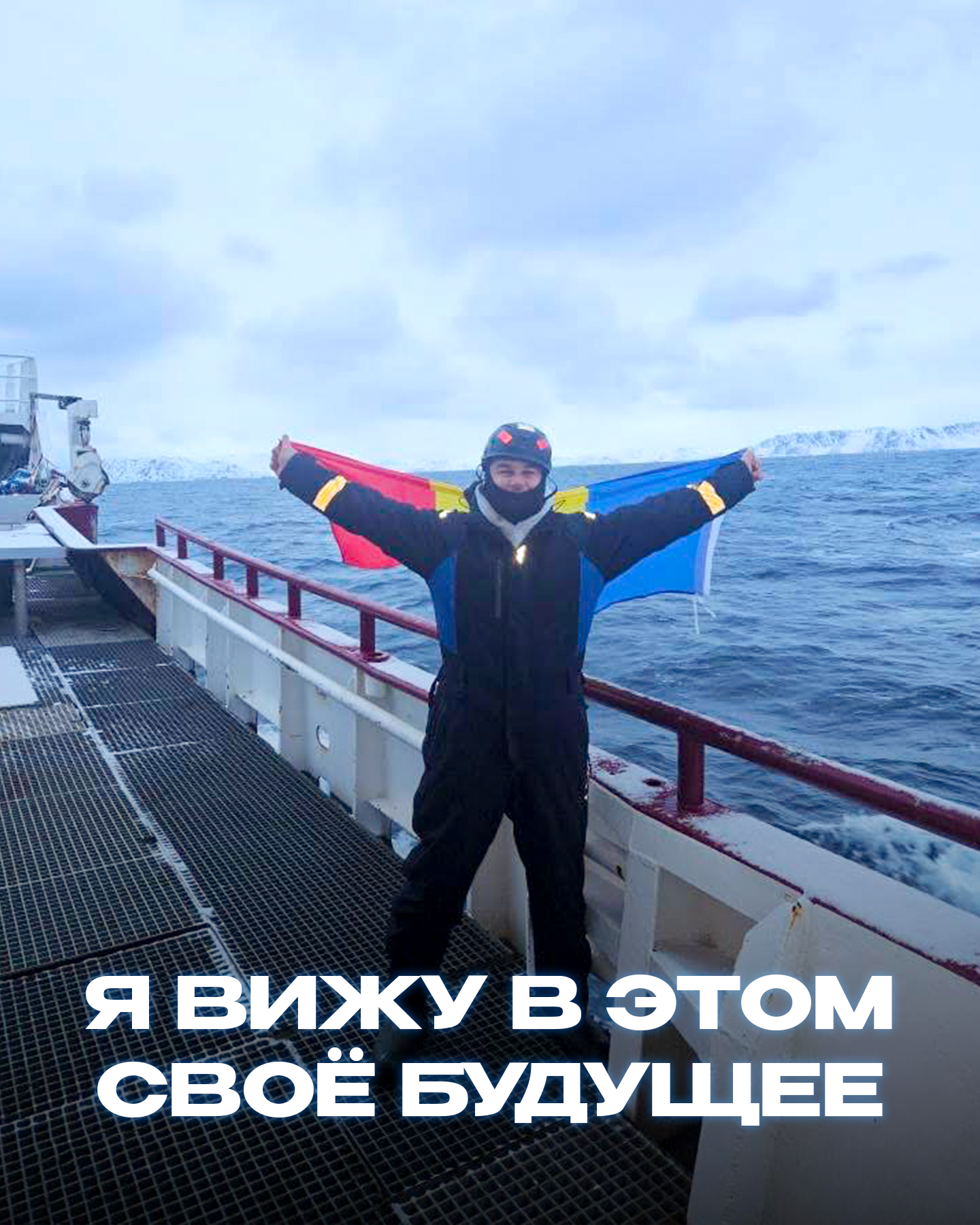
I come from the Republic of Moldova, from the city of Cahul. I am a trained horticultural engineer, having graduated from the Agricultural University of Moldova. Before coming to Norway, I worked in my home country - I was a farmer, an entrepreneur. I earned about 1000 euros a month, but this money was not enough to grow my business.
Everything changed when I saw a video on TikTok. I was drawn to the opportunity to try something different, not what our people abroad usually do - not construction, not deliveries. The salary also played a role.
It's easier to find a job in a fish factory than on a vessel, but the salary is much lower. I had difficulties obtaining a background check - you need to prove where you've worked for the past five years, without any breaks. This is important if you want to work with fly boxes.
The necessary documents were: a criminal record certificate, a background check, a medical certificate from a dermatologist confirming you have no skin diseases or allergies to fish.
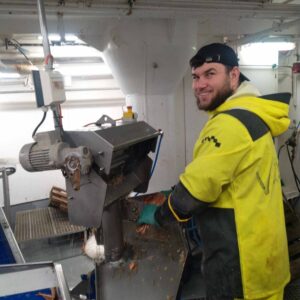
I didn't need to take any courses for the factory. On the first day, we had a safety and hygiene briefing - it was quite straightforward.
Later, I moved to a crab fishing vessel. So far, I've mainly handled the economic side - preparing traps and equipment before going to sea. On the ship where I joined the factory team, I was involved in cutting crabs. When there was no work in the factory, I helped my colleagues on deck.
Working at sea requires physical fitness, courage, and confidence that everything will go well. Especially at the beginning, when you're not yet used to the shock and the new regime - six hours of work, six hours of rest, and so on.
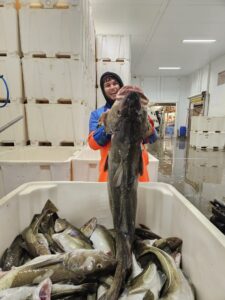
At sea, it's very important to be in solidarity with the crew. We are like a family - you don't know when you'll make a mistake, you have to be able to yield and not insist on doing things your way.
The company provides everything you need: transport, food, accommodation - you spend nothing, except for shopping at duty free if you want. Alcohol is completely prohibited during the contract.
One incident is particularly memorable for me. We returned to port with the first catch, and the warehouse workers refused to unload the goods after 6 PM. We had to unload the crabs ourselves all night because we had to go back to sea the next morning.
The difference between a shore-based factory and one on a ship is huge. Working on land is a holiday compared to what happens at sea. But the salary is also three times lower. The hardest part is the first week: battling seasickness and getting used to the new regime.
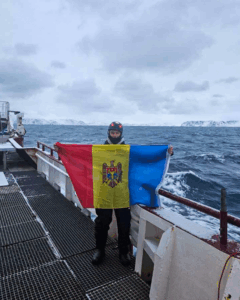
Alexei became my mentor from the start: he helped me gather the documents needed to work on the ship, accompanied me at every stage, from registration to receiving my first contract. He always kept in touch with me, answering even questions that weren't part of his duties. We've known each other for almost two years and still keep in touch, despite never having met in person.
What I paid him was more symbolic compared to how much he truly helped me. Thanks to his help, I got my first contract.
Today, my dream is to move my family to Norway. I hope that in the next season I can get a job in a larger company and develop further. I enjoy working at sea and see it as my future.
Of course, my family is worried because this profession is full of risks. But they support me. And when they see the financial results, they understand why I chose this particular path.
I don't intend to stop. I want to try my luck with other vessels, such as fishing or shrimp fishing - but only under the Norwegian flag.
Next steps
Everything you need to know to get on a fishing vessel: documents, CV, interview, and employer contacts.
We prepare your CV in English and Norwegian, in the format required by employers in the fishing fleet.
List of fishing companies in Norway, Denmark, Ireland, and the UK, with direct contact details.

Your gateway to sea fishing employment opportunities.
Thank you for subscribing! You will receive the latest news from the maritime industry.
Do you have questions about employment in the maritime industry? Schedule a one-on-one consultation (30 min) and receive personalized answers.


