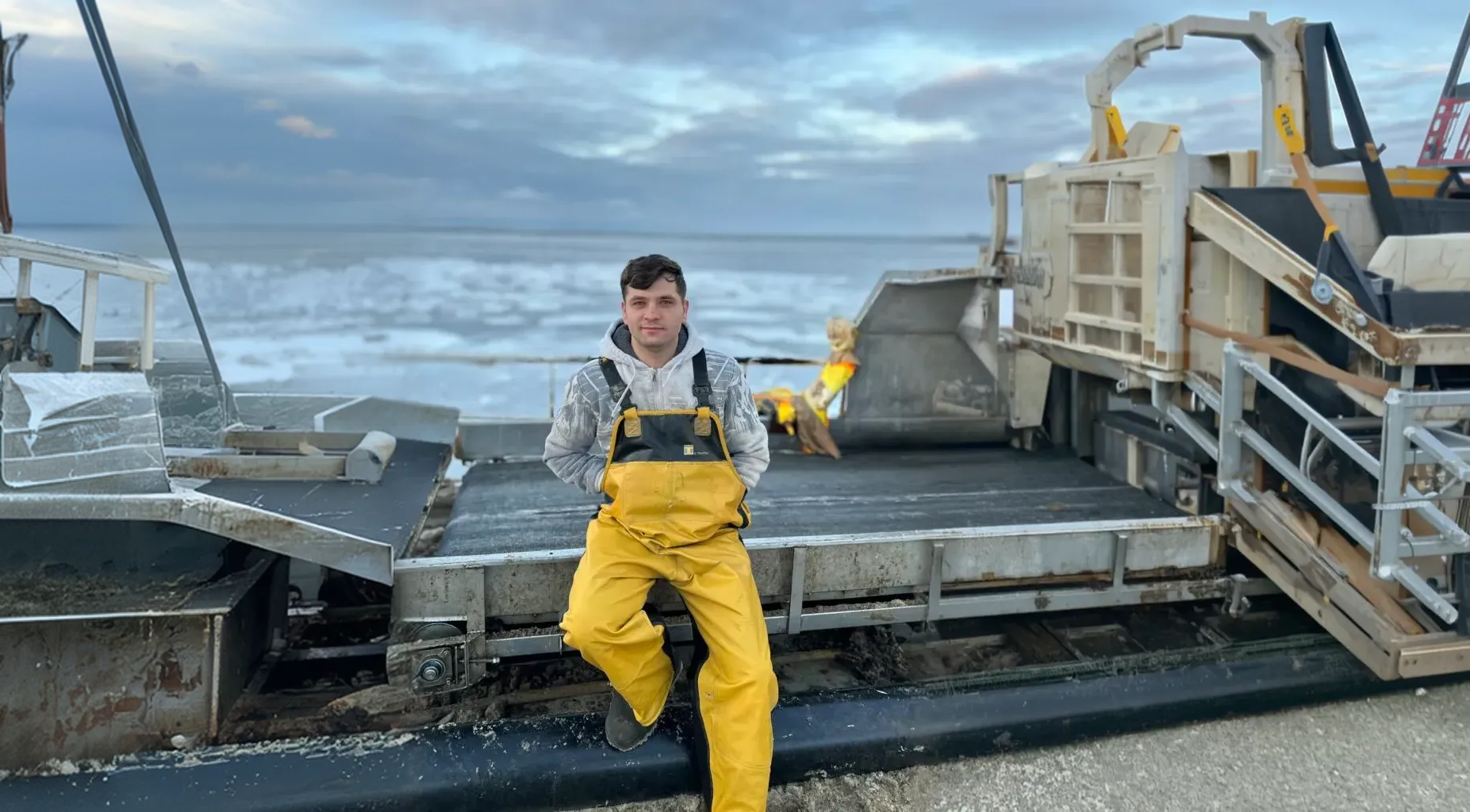


About the Author
About the Author
01
The journey to work on a Norwegian crab fishing vessel was not only a difficult decision for me but also an important life stage that changed many things.
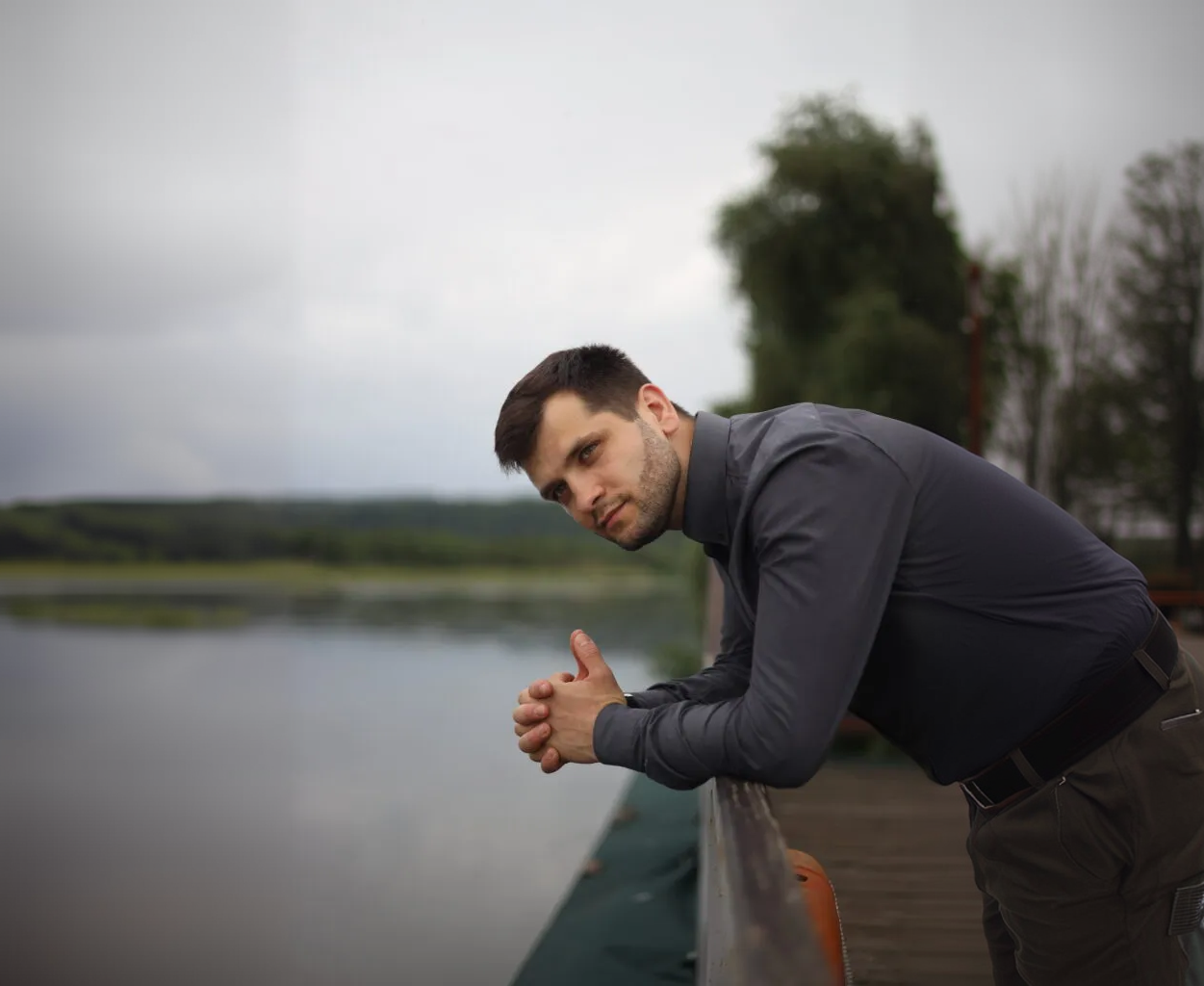
My story began in the Moldovan town of Soroca, Moldova. I attended music school, college, and university, where I trained as a music teacher and conductor of a folk orchestra. Although I had a short time to practice my profession, music remains an important part of my life and helps me in the most difficult moments.
During my university studies, I faced financial difficulties: I worked as an operator at a canning factory in Soroca while studying, being a young father and husband, and supporting my family. The income from the factory was not enough – salaries in Moldova are low – and with a mortgage on my shoulders, I was looking for ways to find stable income.
In search of better income, I moved to the Czech Republic, where I got a job in logistics in Prague, distributing goods for large retail chains. The income in the Czech Republic was much higher than in my home country: earning between $2,000 and $3,000, I was able to pay my mortgage and provide a stable income for my family.
02
I was looking for new opportunities, planning to find a job in France or Germany. I didn't know much about Norway at the time: that the capital was Oslo and that it was very cold. Everything changed in an instant when I saw a video on Instagram about a job on a crab fishing boat in Norway.
I was attracted by the conditions and, of course, the promised salary. I started researching what was needed to join a vessel, but I had no idea what kind of challenges I would face.

03
Working on a Norwegian vessel requires preparation. First, I had to take special safety courses, which are necessary for anyone who is going to work at sea. I also needed a medical certificate, which is not easy to obtain – the medical commission for seafarers is strict and requires good health. All of this had to be organized quickly, and within ten days I managed to complete the course and gather all the necessary documents.
The next step was finding a job. After arriving in Norway, I found it difficult to find a suitable vessel. I spent several weeks interviewing, searching for a job, writing my CV in Norwegian, and preparing for the new environment. Finally, on November 1, 2023, I got a job on a vessel, but before the season started, I was still in the process of repairing and preparing the equipment. I left on my first journey on December 30, 2023, when the crab season began.
04
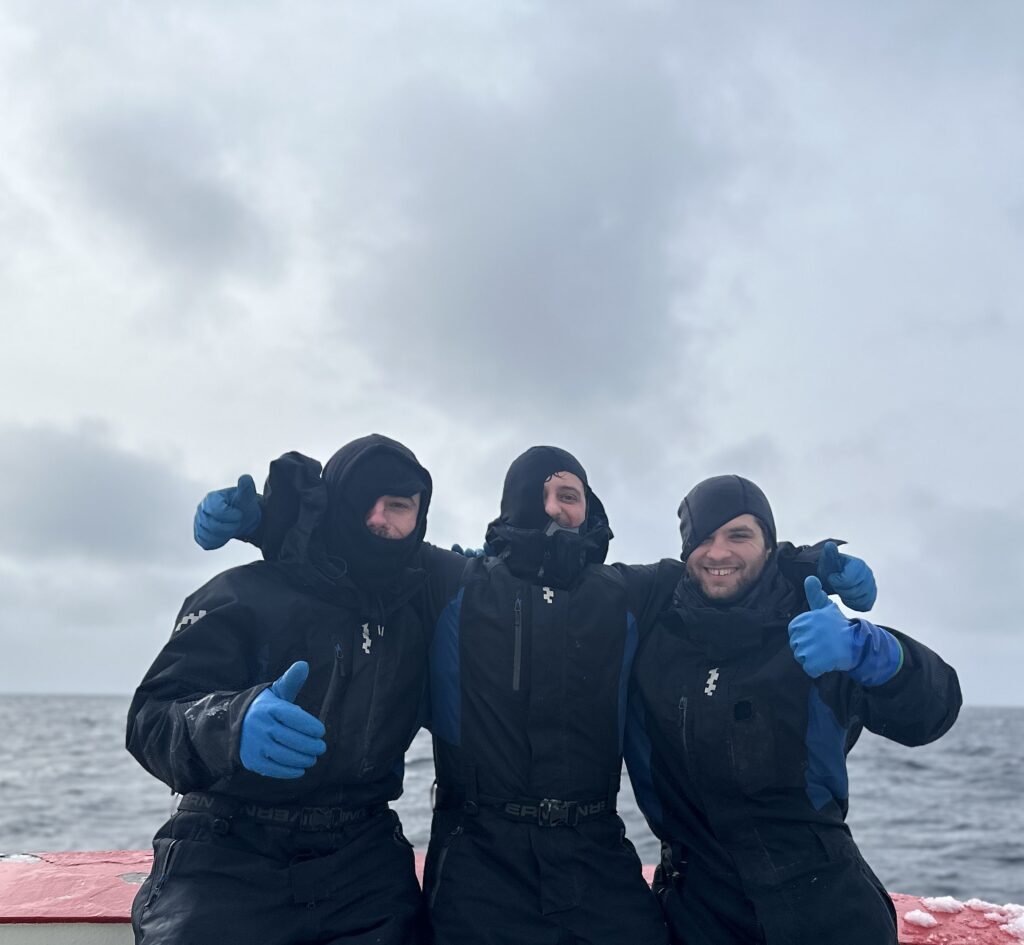
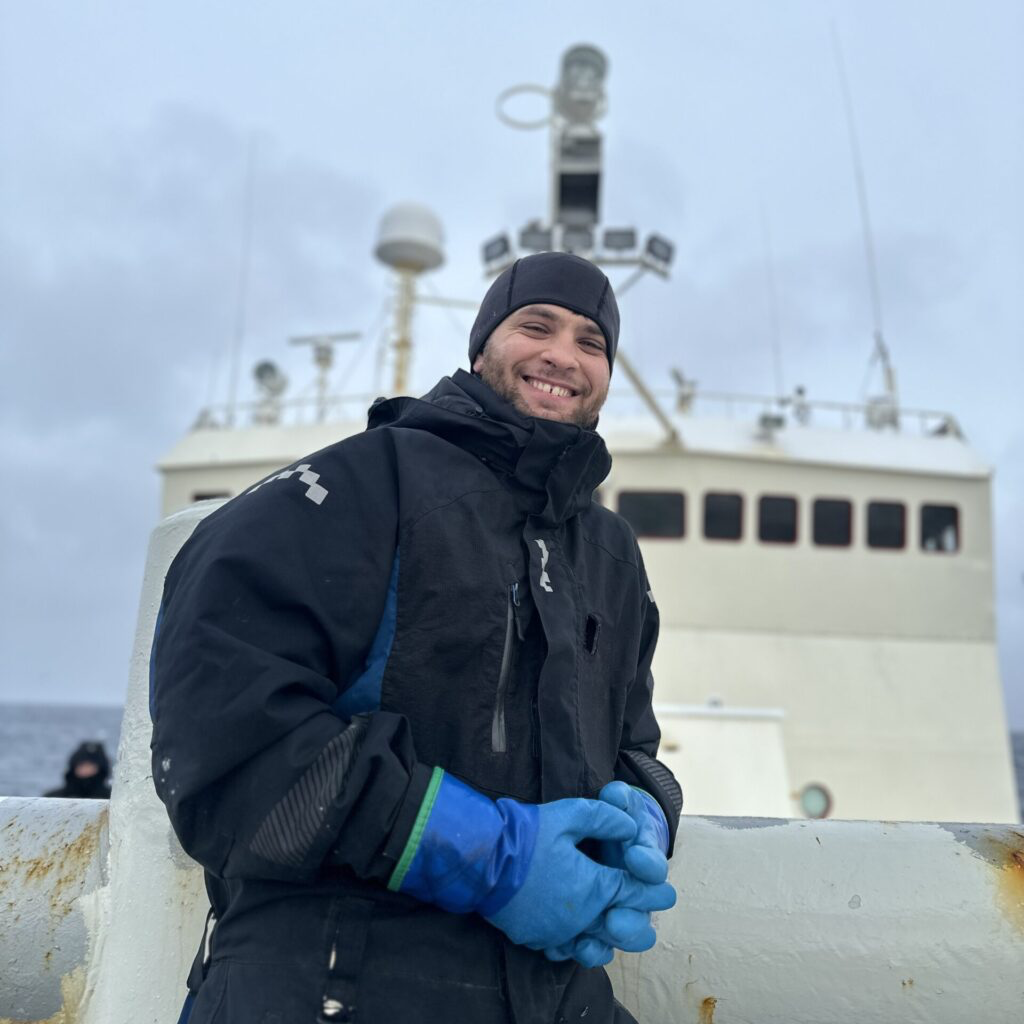
The first days at sea were memorable for me forever. It was like a test of strength, for which it is difficult to be fully prepared. Once onboard, I realized that working on a vessel is not like any other experience: discipline, strength, endurance, and teamwork are important. I worked on repairing traps and preparing for crab fishing, and then the actual journeys began.
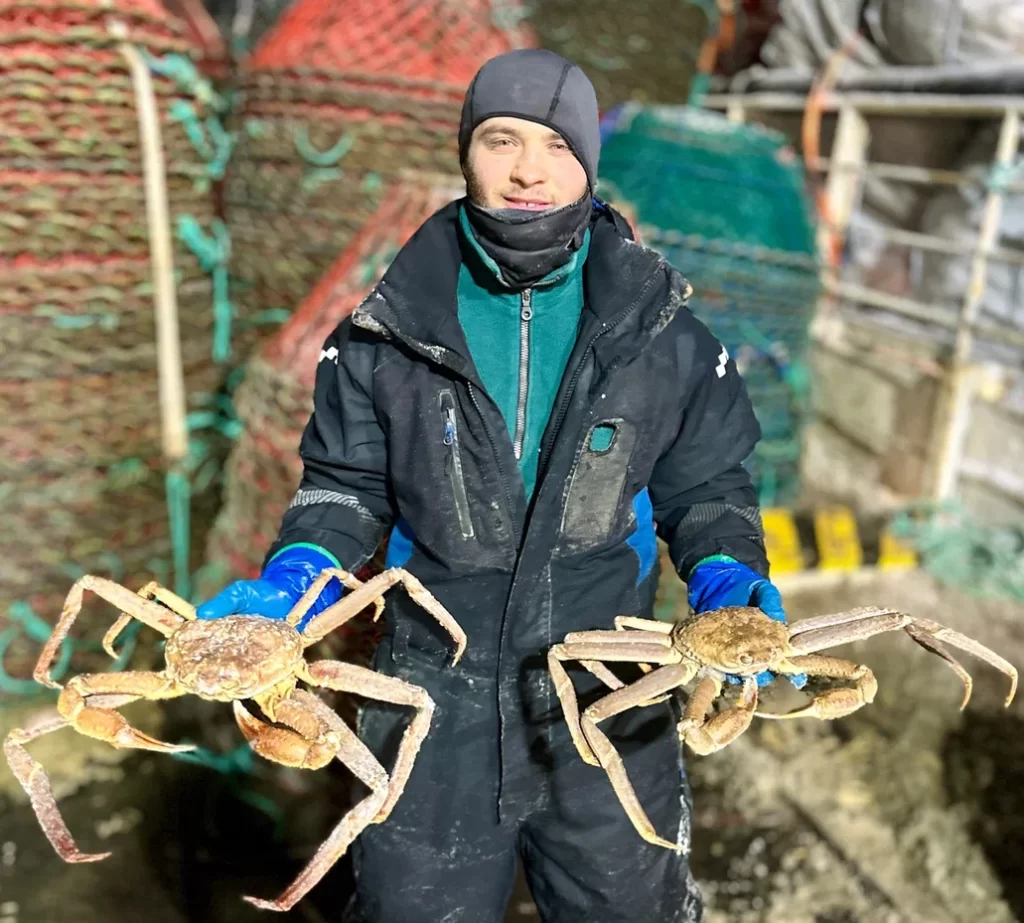
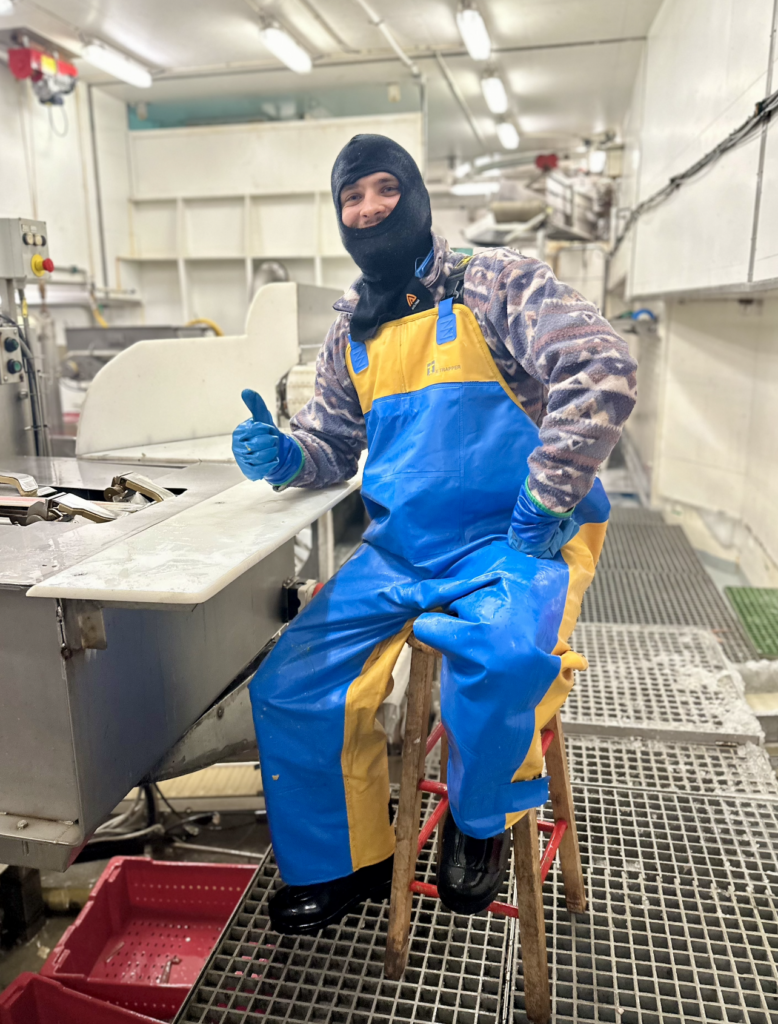
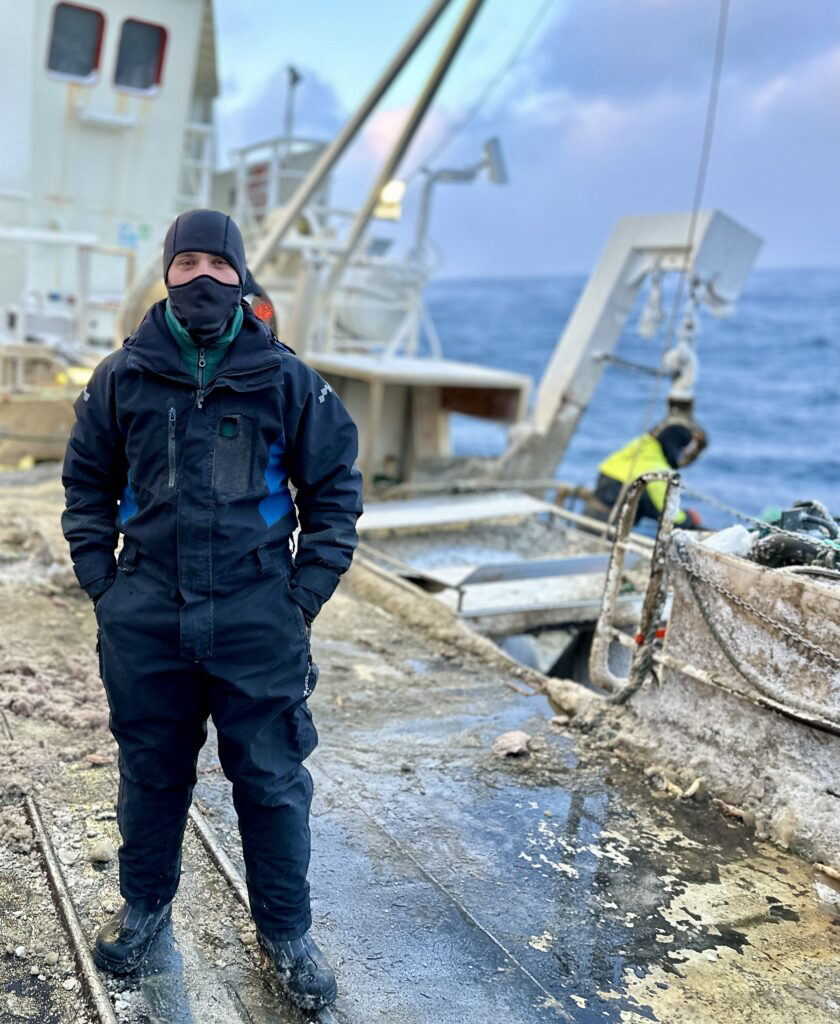
Every detail is important on a vessel, and each crew member has their own responsibilities. On my first voyage, I worked in the hold, where the cargo had to be stacked correctly to meet ventilation and cooling standards. On the next trip, I was transferred to the factory, where I learned all the stages of crab processing, from sorting to packaging. Later, after gaining experience, I asked the captain to transfer me to the deck to set traps. Initially, the captain refused, as I was doing well in my previous positions, but later he agreed.
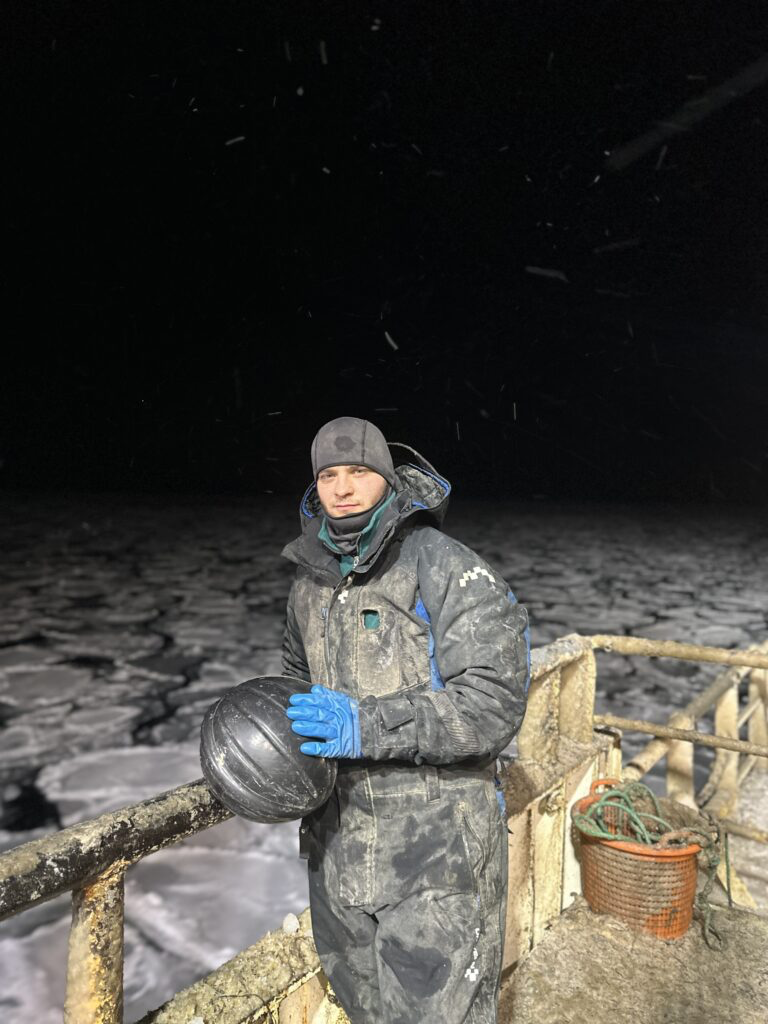
Working on the deck is one of the most difficult and dangerous jobs: temperatures can drop to -25°C, storms and cold winds are common in the Arctic.
05
Life on a vessel has its own peculiarities. Everything onboard is strict and according to schedule. The work schedule depends on the captain, and most often, we worked on a 6:6 or 8/4/4/8 system – such shifts allow you to rest but also be ready to go to work at any moment. Sometimes the work shift lasts 12 hours, but it can be longer if the situation requires it. There are no weekends or holidays, so you must be prepared for the fact that there is no free time onboard.
Although the vessel is equipped with basic facilities for food, sleep, and relaxation, life here is limited. Internet access is available, but not always stable, making communication with my family difficult. I try to spend my free time socializing with loved ones, but I also continue to develop my FisherWay project, helping others find work at sea. There are different colleagues on the vessel – seafarers from Norway, CIS countries, and Europe. Communication is in Norwegian and English, and good relationships are important.
Everyone understands that at sea we depend on each other, and any conflict can affect the crew's activity. There have been cases where a crew member was sent home due to a conflict.
06
Working on a crab fishing vessel is a constant risk. The Arctic Ocean, with its frozen waters and sudden storms, is always a threat. There was a case where one of the crew members fell overboard – unfortunately, the Arctic waters are unforgiving, and such incidents rarely end safely. Low temperatures and constant storms require resilience and attention to safety measures. At the beginning of the journeys, I found it difficult to cope with seasickness, but I gradually adapted.
The working environment requires physical strength and concentration, especially when cutting crabs in a factory where heavy equipment is used. The initial processing stage is sorting, then the crab goes through a Ryco machine where the legs are sorted by weight before being cooked and packaged.
The difficulties at sea are partially compensated by the good salary, which is significantly higher than in previous jobs.
07
Income from the vessel depends on the season and the amount of catch, but even the minimum income is around $8,000 per month, and in good months it can reach $20,000 or more. Thanks to this income, I have managed to improve my family's quality of life.
Last year I managed to buy an apartment in Chișinău, such financial prospects give me confidence in the future and motivate me to continue working at sea.
08
Working on a crab fishing vessel has not only given me financial independence but has also changed my perspective on life. I have learned discipline and become stronger both physically and mentally. My family did not support my decision at first, especially my mother and brother, who were worried about my safety. My wife, despite her concerns, has always supported me and is now proud of my achievements.
I spend my vacations on land, with my family, recovering and working on the FisherWay project, advising others on employment at sea.
09
I intend to continue working at sea, but I am also open to new opportunities. In the future, I would like to try working on vessels from Ireland, the UK, or Denmark. Working at sea is physically and mentally demanding, and perseverance and adaptability skills are important for those who want to follow this path.
The experience of working on a crab fishing vessel in Norway is invaluable. This journey requires considerable effort, but the reward comes in the form of confidence in the future and deep personal fulfillment. Working at sea has taught me much, both about teamwork skills and managing challenges.
Working on a crab fishing vessel in Norway has been a valuable experience — demanding, but it has given me confidence in the future and satisfaction. I am proud of my achievements and know that this is just the beginning.

Your gateway to sea fishing employment opportunities.
Thank you for subscribing! You will receive the latest news from the maritime industry.
Do you have questions about employment in the maritime industry? Schedule a one-on-one consultation (30 min) and receive personalized answers.


