The Fishermen's Stories
The Fishermen's Stories
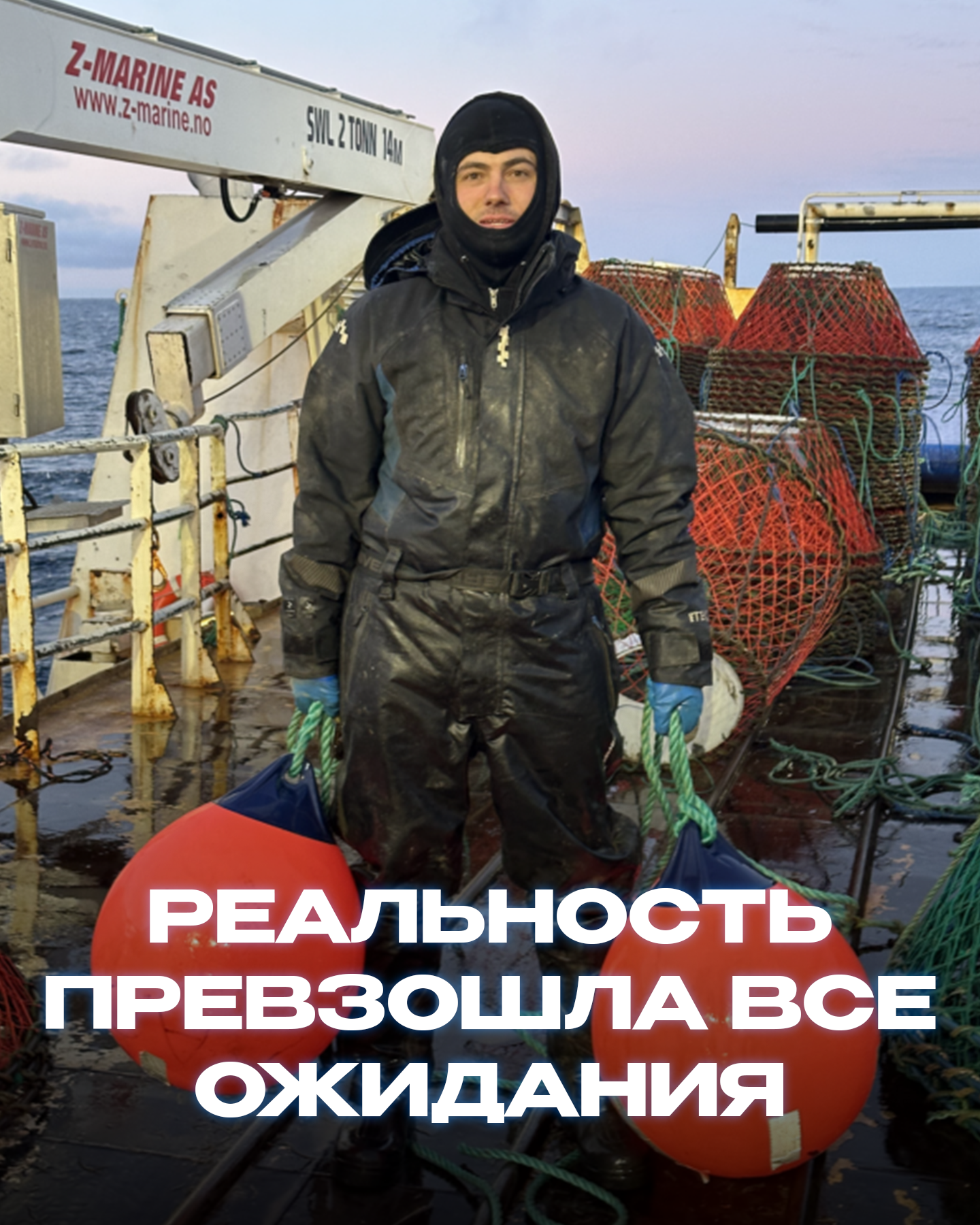
 My name is Alexander Porumbric, I'm from the Republic of Moldova and I have a higher education. My decision to try a maritime career was driven by a desire for change, new challenges, and, of course, an attractive level of income.
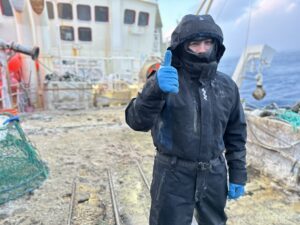
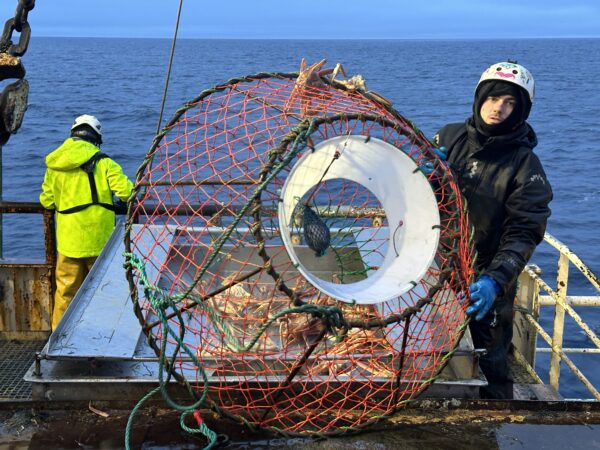 Working on the Vessel: Daily Routine and Duties On the vessel where I worked, we were engaged in crab fishing. The work was divided into shifts: 8 hours of work, then 4 hours of rest, then another 4 hours of work and 8 hours of rest. In total, 12 out of 24 hours are spent working. During the shift, we changed work positions, which allowed us to learn all aspects of the job. The crew consisted of about 37 people of different nationalities. Interaction with colleagues requires respect, responsibility, and a willingness to help. The language of communication on board was English, although Russian was sometimes used. Life on the Vessel: Comfort, Food, and Free Time Life on the vessel is organized according to a schedule. Cabins are shared by two people, the food is varied and always free. In their free time, crew members read books, watch movies, communicate with family via the internet, or simply relax in the relaxation room. There were, of course, challenges. The 12/12 work schedule can be exhausting, especially in cold, rainy, or windy conditions. For example, once on board, the temperature reached -20 degrees, causing the machinery to freeze. However, the team always helped to overcome difficulties.
Next steps
Everything you need to know to get on a fishing vessel: documents, CV, interview, and employer contacts.
We prepare your CV in English and Norwegian, in the format required by employers in the fishing fleet.
List of fishing companies in Norway, Denmark, Ireland, and the UK, with direct contact details.

Your gateway to sea fishing employment opportunities.
Thank you for subscribing! You will receive the latest news from the maritime industry.
Do you have questions about employment in the maritime industry? Schedule a one-on-one consultation (30 min) and receive personalized answers.


