The Fishermen's Stories
The Fishermen's Stories
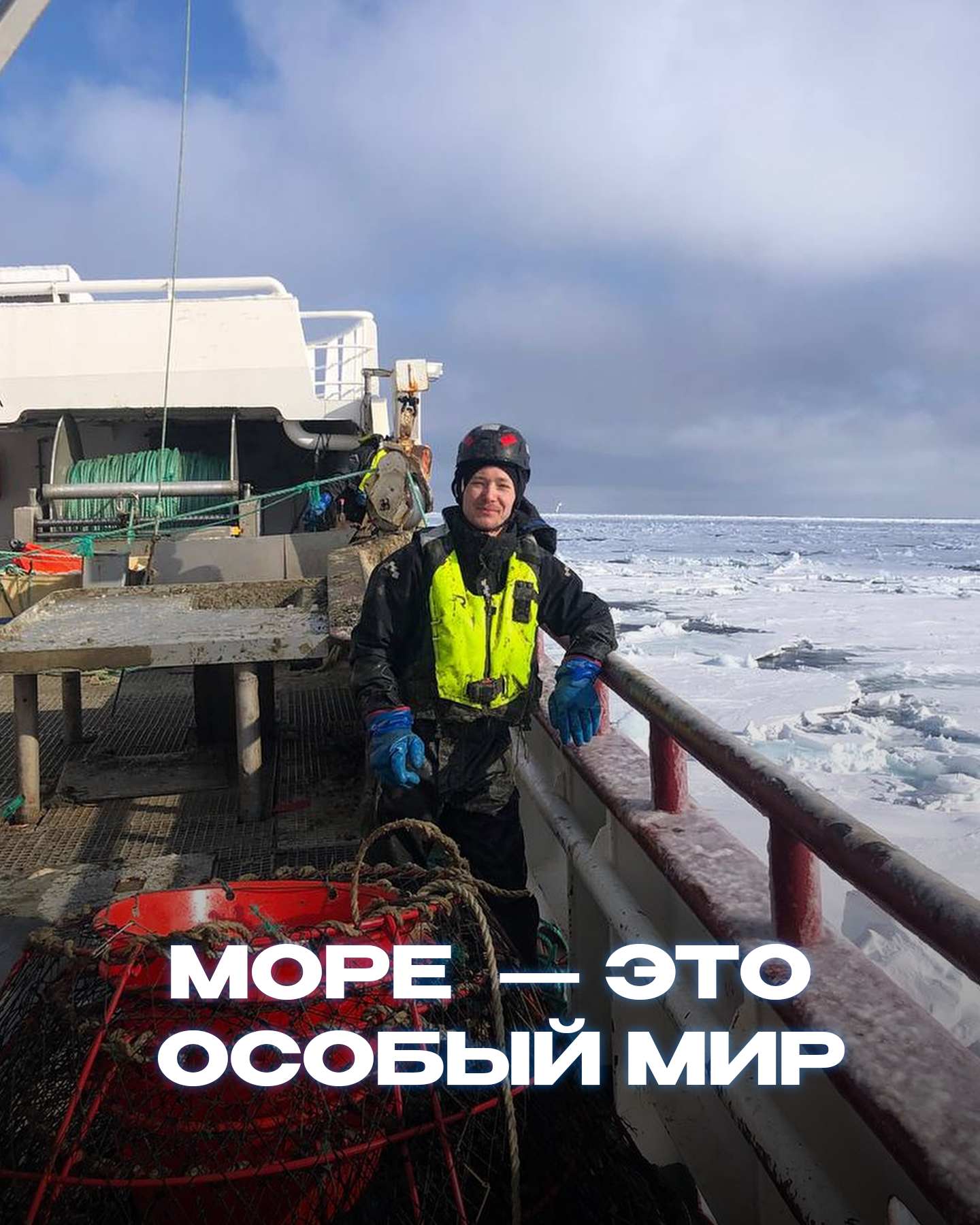
 When I decided to try to get a job in the maritime field, I had no idea how passionate I would become. I've always felt that the sea is more than just water and ships - it's a special world with its own atmosphere and rules. The journey to this profession was difficult, but each step made me want more and more to become a seafarer.
I grew up in Ukraine in a family where the seafaring profession was always part of life. I have three brothers, and they all work at sea. Inspired by their example, I realized that working on a ship is not just a job, but an opportunity to build a career and secure independence. However, independence is valued in our family, and I knew from the start that I would follow my own path.
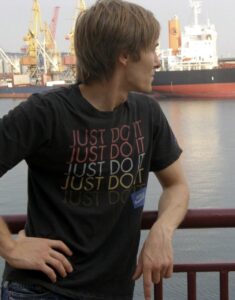
In Odessa, I obtained a ship electrician diploma after courses and additional practical training. However, as it turned out, Norwegian standards are much higher, and to work in a specialty here, you must prove your qualifications. So, I decided to focus on another direction and became interested in fishing in Norway.
 The Role of Alexey Matkovsky and Fisherway in My Employment
The job search process was not easy. I sent thousands of resumes but received few responses. Everything changed thanks to Alexey Matkovsky, the founder of Fisherway. Not only did he help me write my resume correctly and provide me with contacts, but he also advised me to pay attention to one of the ads in the Facebook group. Thanks to this ad, I found my current job.
The employer urgently needed an employee. After I sent my resume, a month passed, and I received a call inviting me to the ship. Everything was organized: tickets were sent to the post office, and upon arrival at the airport, I was met by a company representative and taken directly to the dock. The process went smoothly, and the next day I was already on board.
Working at sea requires attention and adherence to safety regulations. On the ship, we were taught safety techniques and explained how to act in emergencies. Any mistake can lead to serious consequences. For example, once I almost got injured while watching an operating elevator. This incident reminded me that safety always comes first.
Seasickness was also part of the adaptation. In the first days, I experienced seasickness, but my body quickly adjusted, and soon I no longer felt uncomfortable. The main thing is to maintain a positive attitude and follow the advice of more experienced colleagues.
Working at sea is radically different from life on land. The schedule is convenient: one month of work and one month of rest. This provides a balance between work and personal life. In my free time, we socialized, watched movies, and played sports. I even started learning Norwegian, attending classes five days a week. It's important to know English and Norwegian to work at sea, as different ships require different languages.
There is a sense of unity on the ship. We worked as a team, helped each other, and shared our experiences. However, there were sometimes upsetting moments, such as throwing cigarette butts into the sea. I tried to explain to my colleagues the importance of ecology, but this didn't always resonate.
Working at sea is well-paid. In Norway, the minimum rate for seafarers is about 2400 kroner per day, tax-free. The rate is lower for beginners but increases with experience. This is a worthy motivation for those willing to work hard.
I intend to continue my career at sea, perhaps trying my luck on other ships. This profession has opened new horizons for me, provided stability, and the ability to support my family. My goal is to become part of a permanent team and develop in this field.
Working at sea is a challenge that requires discipline, responsibility, and a willingness to learn. If you dream of a career at sea, start by learning English and improving your physical condition. Thanks to Fisherway and the support of Alexey Matkovsky, I was able to take the first steps in this profession and see that my efforts were worth it.
The sea is not just a job; it's a lifestyle that changes you. This was the beginning of a new chapter for me, and I look forward to what the future will bring. I am also 100% confident in my future career in fishing, simply because Alexey is the best mentor, motivator, and expert in this niche.
Next steps
Everything you need to know to get on a fishing vessel: documents, CV, interview, and employer contacts.
We prepare your CV in English and Norwegian, in the format required by employers in the fishing fleet.
List of fishing companies in Norway, Denmark, Ireland, and the UK, with direct contact details.

Your gateway to sea fishing employment opportunities.
Thank you for subscribing! You will receive the latest news from the maritime industry.
Do you have questions about employment in the maritime industry? Schedule a one-on-one consultation (30 min) and receive personalized answers.


