The Fishermen's Stories
The Fishermen's Stories
My name is Igor, I'm from Ukraine, trained as an economist. Before moving to Norway, I lived in Kyiv, where I built a career in the jewelry industry, earning quite well - enough for a normal life and to travel. I also worked a bit in diving and underwater hunting. But in 2022, I had to emigrate - and life took a new turn.
When I arrived in Norway, I started looking for ways to find a job. That's how I learned about working on crab trawlers. On Instagram, I found people who had already worked at sea, including Alexei. He explained everything in an interesting and accessible way. I started asking him questions, and he guided and directed me. When the course came up, I bought it immediately. I realized this was my chance.
The hardest thing was finding direct contacts with employers. At first, I thought it was simple: send a CV and a cover letter and get a contract. But reality proved different. My CV was rough, it didn't stand out. And a single submission wasn't enough - emails could end up in spam and sometimes went unanswered. I had to redo everything, considering many small details.
The language barrier was particularly difficult to overcome. Employers often responded in Norwegian, and it wasn't always possible to understand. I had to switch to English, but even there, you had to competently argue why you were the best candidate.
I needed a BankID, a registered address, a tax card, a basic safety course, and a Helseattest certificate. All of this took a few months. When everything was ready, I got the contract and had to leave in a day. I packed my bags, closed my files, and set off.
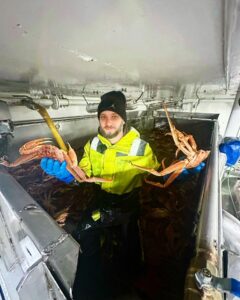
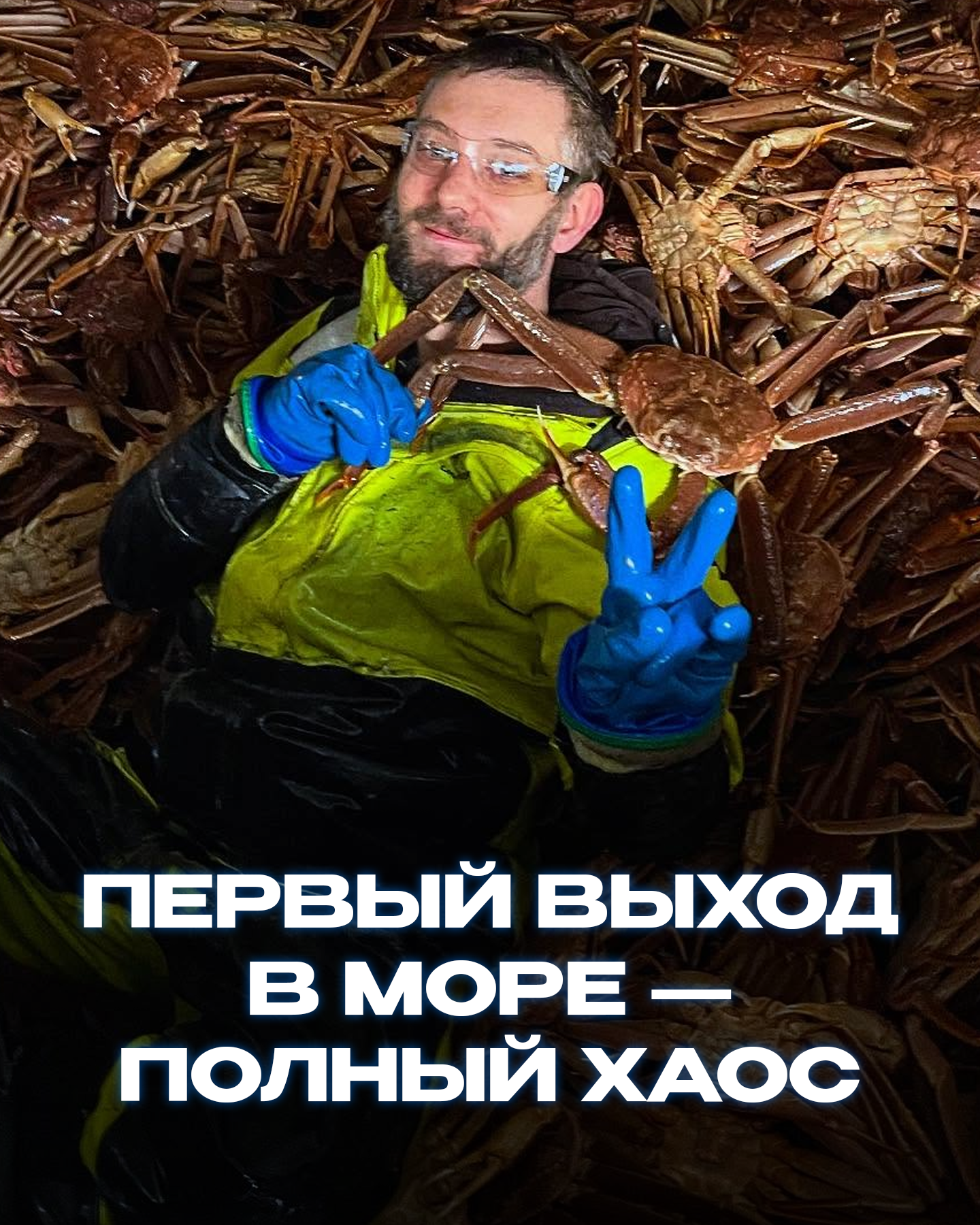
The first shift was total chaos. Everything is new, everything is very fast, you don't understand what to do, but you gradually get used to it. We work on a system: 6 hours on watch, 6 hours sleep, and so on in a cycle. The main part is working with traps on deck and with the crab in the factory.
We live side by side: you work, eat, sleep with the same people. There's no need for conflicts, it's just important to do your job and respect others. The cabins are small, there's a kitchen and a lounge. The food is normal, cooked by the chef.
Working at sea is not like working on land. On land, you do your job and go home. Here you work 24/7. But in your free time, you can watch a movie, talk to family if you have a connection, or just sleep. You might not have a connection for a long time, but you get used to it.
There were difficulties, of course. The first days were a hellish physical effort, my whole body hurt, but my body adapted quickly. Seasickness? There wasn't any - one day of feeling off, but then it all went away. The main thing is to eat even if you feel sick.
My shift started with six hours of work, then a meal and five hours of sleep. You'd wake up and go back on shift. My contract was for three months. Earnings depended on the catch, but the guaranteed amount was about 3000 kroner before taxes.
I spend my money on a decent life for myself and my family. We travel a lot. I can afford many things. My physical condition has also improved - working with traps is actually the best exercise machine.
Expectations? I thought it would be hard - it turned out to be even harder, but also more interesting. A lot of impressions. I remember the first watch the most: when everything had to be thrown quickly, assembled, and traps set. That's when I realized what a true rhythm is.
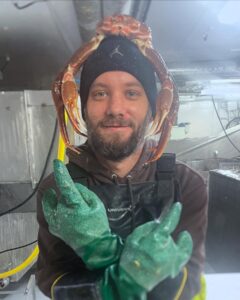
Working at sea has given me more than I expected. I've started earning more money, gained confidence, and had new perspectives. For now, I plan to continue. Maybe I'll try my luck on a fishing vessel, for example, on a trawler.
My relatives are worried, but they support me. And after the trip, we rest together, traveling a lot. I like this rhythm: work 3-4 months and then live well for 8-9 months.
I'll tell newcomers one thing - don't listen to those who will discourage you. Go all the way, even if you think you won't succeed. The main thing is not to give up.
Next steps
Everything you need to know to get on a fishing vessel: documents, CV, interview, and employer contacts.
We prepare your CV in English and Norwegian, in the format required by employers in the fishing fleet.
List of fishing companies in Norway, Denmark, Ireland, and the UK, with direct contact details.

Your gateway to sea fishing employment opportunities.
Thank you for subscribing! You will receive the latest news from the maritime industry.
Do you have questions about employment in the maritime industry? Schedule a one-on-one consultation (30 min) and receive personalized answers.


