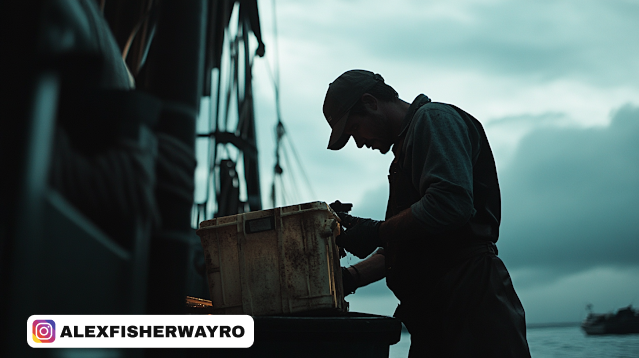
What is one thing no sailor on a ship can do without? The 5 most indispensable items at sea
Working on a ship is not just about daily tasks and physical endurance, but also the ability to adapt to challenging conditions.
Life at sea can be unpredictable, and every sailor knows they must be prepared for anything to do their job well and stay safe.
Whether you work on a fishing vessel, a crab boat, or a cargo ship, there are a number of items that become indispensable companions. In this article, we take a look at five of the most important items no sailor can do without.
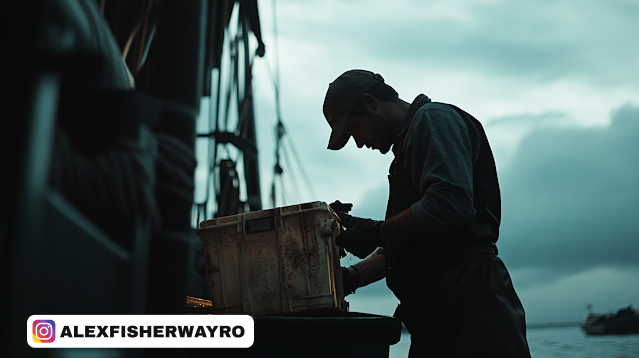 1. Protective gear
- Why it's important: On a ship, safety is not just a word. Every sailor must wear protective gear, including a helmet, life jacket, safety boots, and gloves.
These are not just requirements but a real necessity that could save a life in an emergency.
- How to use: Proper use and regular inspection of the equipment to ensure it is in good working condition is key to safety. Sailors know that protective measures should never be neglected, especially when working with heavy equipment or in severe weather conditions.
2. Sailor's knife
- Why it's important: The knife is a versatile tool useful for cutting ropes, nets, packaging materials, and even for quick release in case of danger. It is an indispensable tool on board any ship.
- How to use: Every sailor should have a knife with a sturdy blade and a comfortable handle. It should always be within reach and in perfect condition - sharp and clean.
3. First aid kit
- Why it's important: Working at sea involves risks of injury and illness, and medical assistance on board is limited. A personal first aid kit with necessary medications and first aid supplies allows you to respond quickly to cuts, bruises, or colds.
- What to have in the first aid kit: Antiseptics, bandages, dressings, pain relievers, seasickness medication, and personal medications.
4. Warm and waterproof clothing
- Why it's important: The maritime climate can be extremely harsh. Water, wind, and cold can be a real challenge for any sailor.
Good clothing protects not only against hypothermia but also against loss of performance in difficult conditions.
- What to choose: Thermal underwear, waterproof jackets and pants, quality boots with thermal insulation are a must.
Investing in quality clothing will pay off quickly.
5. Communication devices
- Why it's important: Communication on board and with the shore is essential for safety and coordination. Walkie-talkies, satellite phones, and other communication devices help maintain contact with the crew and convey important information to the shore when necessary.
- How to use: Regular testing and validation of communication equipment is an essential part of training. Communication equipment can save lives in an emergency.
Conclusion
Every sailor knows that life at sea can be full of surprises. That's why you need to be prepared and serious about working in such conditions. Protective gear, a knife, a first aid kit, warm clothing, and communication equipment - these are five indispensable items that will ensure your safety and comfort, help you face any challenges, and most importantly, return home alive and well.
Watch my free lesson where I explain in detail how you can get a job at sea and start earning a decent salary:
 Free lesson!