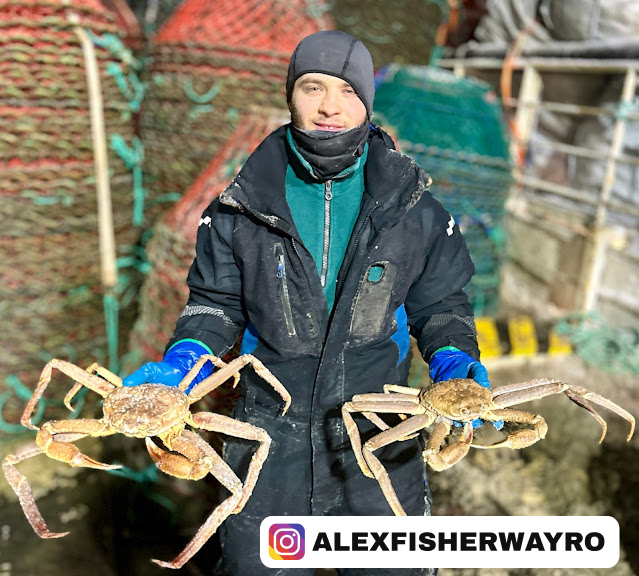
Seasonal Work in Norway's Fishing Industry: Pros and Cons
Seasonal work in Norway's fishing industry attracts thousands of foreign workers each year. Peak production seasons tend to occur in the summer and fall when the demand for fish and seafood is highest. While such work can offer attractive earnings and unique experiences, it also has its own complexities and challenges. In this article, we examine the main advantages and disadvantages of seasonal work in Norway's fishing industry to help you make an informed decision.
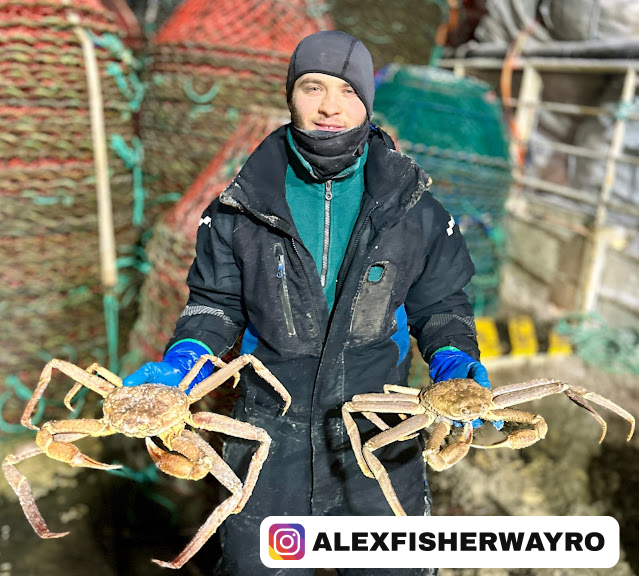 Benefits of Seasonal Work in Norway's Fishing Industry
- High Salary
- Norway is renowned for its high wages, and even seasonal workers in the fishing industry are well paid. The average hourly rate can range from 216 to 250 NOK (approximately 21-25 USD) per hour, and during peak season, there may be overtime paid at a higher rate of +100%. This makes such work attractive for those looking to earn money quickly.
- Opportunity to Save Money
- Seasonal workers often work intensively, but this allows them to accumulate significant amounts of money in a short period. Accommodation and food are sometimes provided by the employer, which reduces costs and allows you to save more.
- Experience in an International Environment
- Working in Norway offers the chance to interact with colleagues from different countries, improve your English communication skills, and possibly learn basic Norwegian. This can be a significant plus for your resume and make you more competitive in the international job market.
- Scenic Surroundings and Cultural Exchanges
- Many fish farms are located in beautiful coastal areas, allowing you to enjoy stunning views of the fjords and nature. Working in another country also promotes cultural exchange and familiarity with new customs.
- Long-term Employment Prospects
- Some seasonal workers may receive an offer for long-term work or even a permanent contract if they prove to be responsible and professional employees.
Drawbacks of Seasonal Work in Norway's Fishing Industry
- Intense Physical Activity
- Seasonal work in the fishing industry often involves physically demanding tasks such as lifting heavy weights, sorting and handling fish, and operating equipment. Good physical condition is necessary to successfully perform these tasks.
- Long Working Hours
- Seasonal peaks mean an increase in workload, and shifts can last 10-12 hours or more. This can be exhausting, especially when working several days in a row without significant breaks.
- Weather Conditions
- Work in fish farms or processing plants can take place outdoors or in semi-open spaces. Weather conditions such as cold, humidity, and wind can pose a serious challenge for unprepared workers.
- Housing Difficulties
- Although some employers provide accommodation, it may be limited in comfort or located in remote areas. This can cause difficulties regarding transportation and adapting to a new place.
- Difficulties Adapting to Shift Schedules
- Seasonal work often involves shift work, including night shifts. This can negatively impact sleep and overall health if the employee is not accustomed to such a schedule.
- Limited Access to Social Benefits
- Unlike permanent workers, seasonal workers may not have access to certain social benefits, such as extended paid leave or pension contributions.
Tips for Those Planning Seasonal Work
- Prepare Physically: Regular exercise will help you cope with stress.
- Learn the Language: Even a basic knowledge of Norwegian or English will help you communicate and adapt more easily.
- Learn About Working Conditions in Advance: Discuss accommodation, working hours, and your rights with your employer.
- Be Prepared for Intense Work: Mental preparation for long working hours will help reduce stress.
Conclusion
Seasonal work in Norway's fishing industry can offer many advantages, including high income and a unique experience. However, it also requires physical endurance and a willingness to work hard. By weighing the pros and cons, you can make an informed decision about whether this type of employment is right for you.
Watch my free lesson where I explain in detail how you can get a job at sea and start earning a decent salary:
 Free lesson!