Articles
Articles
 Specialists in Demand in the Fishing Industry
Fish Farm Operators
- Who they are: Workers who manage processes in fish farms where salmon, trout, and other fish are raised.
-Skills: understanding of fish biology, knowledge of feeding and monitoring systems, basic veterinary medicine. Experience with automated equipment is an advantage.
Fish Processing Specialists
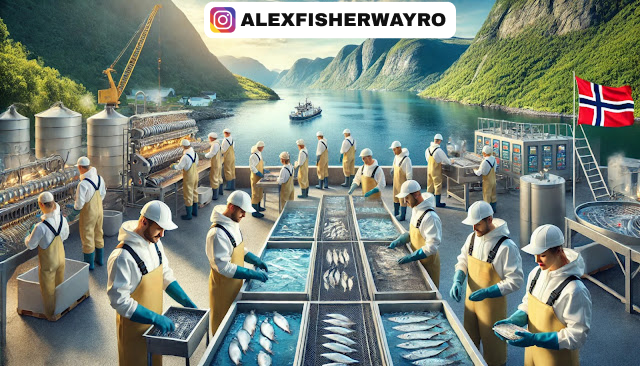
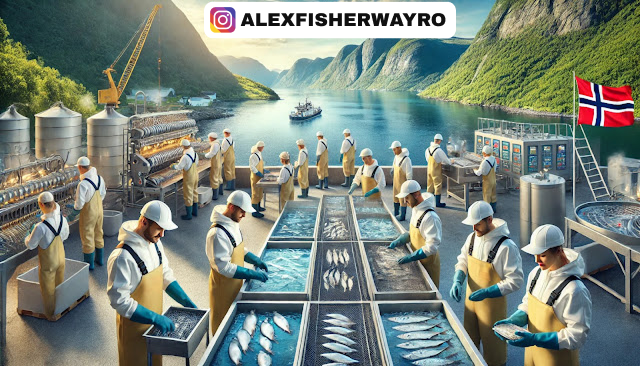
- Who they are: Workers in fish and seafood processing plants and factories who prepare products for sale and export.
- Skills: Knowledge of processing and packaging technology, ability to operate modern processing and packaging lines. Physical stamina is also important due to the high intensity of the work.
Equipment Maintenance Engineers and Technicians
- Who they are: Technicians responsible for maintaining and repairing equipment in fish farms and processing plants.
- Skills: technical knowledge, understanding of automation systems, experience with pumps, compressors, feeding systems. Programming skills and knowledge of specialized computer systems are encouraged.
Quality Control Specialists
- Who they are: Experts who ensure products meet high quality and safety standards.
- Skills: knowledge of international standards such as HACCP, ability to analyze data and identify deviations, competence in quality control methods.
Biologists and Aquaculture Specialists
- Who they are: Professionals responsible for maintaining fish health and optimal habitat conditions.
- Skills: Strong knowledge of fish biology, veterinary sciences, aquatic monitoring. Experience with sustainable aquaculture practices is welcomed.
Logisticians and Export Managers
- Who they are: Professionals who manage the transportation and export processes of products.
- Skills: Understanding of logistics processes, knowledge of international standards and regulations for transporting fish and seafood. Customer service and commercial communication skills are also important.
Key Skills for Success in the Industry
1. Knowledge of Modern Technologies
The Norwegian fishing industry actively uses advanced technologies: automated animal feeding, water quality monitoring, fish health tracking systems, etc. Experience with such technologies becomes a significant advantage.
2. Understanding International Quality and Safety Standards
Norway places great emphasis on product quality and safety standards. It is important for specialists to understand and comply with requirements such as HACCP, ISO, EU standards.
3. English and Norwegian Language Skills
Working in an international company requires fluency in English. Knowledge of Norwegian is also a plus, especially for work in communication or management.
4. Teamwork and Flexibility
Working in the fishing industry often requires close cooperation with colleagues. Additionally, working conditions can change depending on the season or orders, so flexibility and stress tolerance are important.
5. Skills in Marine Biology and Ecology
Working with fish requires basic knowledge of fish species, ecosystems, and marine environment specifics. Understanding biological processes contributes to ensuring fish health and improving product quality.
Conclusions
The Norwegian fishing industry is an innovative and rapidly growing sector that offers a wide range of employment opportunities for professionals with diverse skills and backgrounds. Whether you are considering a job in fish farms, processing companies, or logistics, knowledge of modern technology, quality standards, and language skills will open numerous opportunities in this prestigious field.
Specialists in Demand in the Fishing Industry
Fish Farm Operators
- Who they are: Workers who manage processes in fish farms where salmon, trout, and other fish are raised.
-Skills: understanding of fish biology, knowledge of feeding and monitoring systems, basic veterinary medicine. Experience with automated equipment is an advantage.
Fish Processing Specialists
- Who they are: Workers in fish and seafood processing plants and factories who prepare products for sale and export.
- Skills: Knowledge of processing and packaging technology, ability to operate modern processing and packaging lines. Physical stamina is also important due to the high intensity of the work.
Equipment Maintenance Engineers and Technicians
- Who they are: Technicians responsible for maintaining and repairing equipment in fish farms and processing plants.
- Skills: technical knowledge, understanding of automation systems, experience with pumps, compressors, feeding systems. Programming skills and knowledge of specialized computer systems are encouraged.
Quality Control Specialists
- Who they are: Experts who ensure products meet high quality and safety standards.
- Skills: knowledge of international standards such as HACCP, ability to analyze data and identify deviations, competence in quality control methods.
Biologists and Aquaculture Specialists
- Who they are: Professionals responsible for maintaining fish health and optimal habitat conditions.
- Skills: Strong knowledge of fish biology, veterinary sciences, aquatic monitoring. Experience with sustainable aquaculture practices is welcomed.
Logisticians and Export Managers
- Who they are: Professionals who manage the transportation and export processes of products.
- Skills: Understanding of logistics processes, knowledge of international standards and regulations for transporting fish and seafood. Customer service and commercial communication skills are also important.
Key Skills for Success in the Industry
1. Knowledge of Modern Technologies
The Norwegian fishing industry actively uses advanced technologies: automated animal feeding, water quality monitoring, fish health tracking systems, etc. Experience with such technologies becomes a significant advantage.
2. Understanding International Quality and Safety Standards
Norway places great emphasis on product quality and safety standards. It is important for specialists to understand and comply with requirements such as HACCP, ISO, EU standards.
3. English and Norwegian Language Skills
Working in an international company requires fluency in English. Knowledge of Norwegian is also a plus, especially for work in communication or management.
4. Teamwork and Flexibility
Working in the fishing industry often requires close cooperation with colleagues. Additionally, working conditions can change depending on the season or orders, so flexibility and stress tolerance are important.
5. Skills in Marine Biology and Ecology
Working with fish requires basic knowledge of fish species, ecosystems, and marine environment specifics. Understanding biological processes contributes to ensuring fish health and improving product quality.
Conclusions
The Norwegian fishing industry is an innovative and rapidly growing sector that offers a wide range of employment opportunities for professionals with diverse skills and backgrounds. Whether you are considering a job in fish farms, processing companies, or logistics, knowledge of modern technology, quality standards, and language skills will open numerous opportunities in this prestigious field.
 Free course!
Next steps
Everything you need to know to get on a fishing vessel: documents, CV, interview, and employer contacts.
We prepare your CV in English and Norwegian, in the format required by employers in the fishing fleet.
List of fishing companies in Norway, Denmark, Ireland, and the UK, with direct contact details.

Your gateway to sea fishing employment opportunities.
Thank you for subscribing! You will receive the latest news from the maritime industry.
Do you have questions about employment in the maritime industry? Schedule a one-on-one consultation (30 min) and receive personalized answers.


