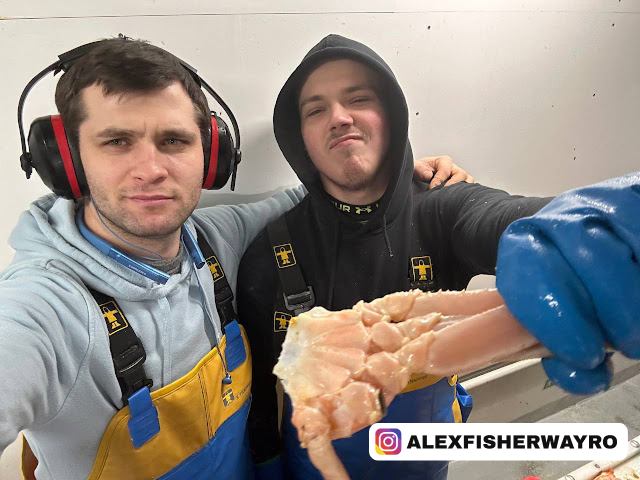
Life and Work on Fishing Vessels: Myths and Reality
Working on fishing boats is surrounded by many myths and stereotypes, often shaped by movies, TV shows, and stories from those without real experience in this field. Many people believe it is dangerous and exhausting work, full of adventure and constant struggle with harsh nature. The other side of the coin paints life on vessels as a well-paid but relatively simple profession. I,
Alexey Matkovsky, want to debunk the main myths and show what life and work on fishing vessels are really like.
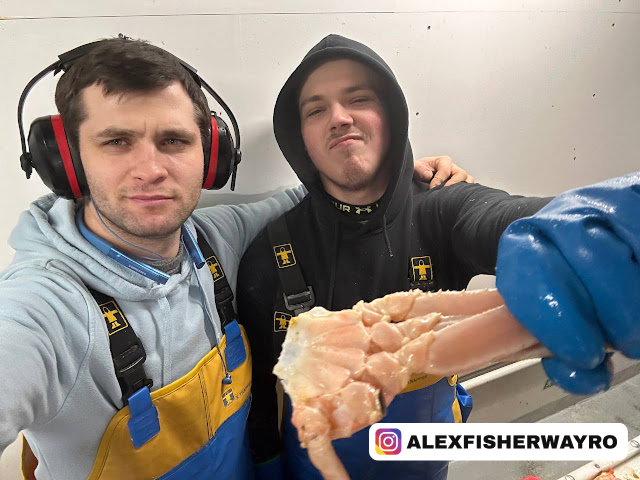 Myth 1: Working on a fishing boat is a constant extreme work experience
- Reality: Of course, the marine environment can be unpredictable, and crews must deal with strong storms, cold, and other challenges. However, not every day on board is a fight for survival. Much of the time is spent on routine tasks like preparing equipment, maintaining nets, and handling catches. The team strives to avoid dangerous situations by planning sea trips based on weather forecasts and other factors.
Myth 2: Earnings on fishing boats are always high
- Reality: While it's true that working on fishing vessels in Norway and other countries can be very profitable, this is not always the case. Income levels depend on many factors: the type of vessel, the catches, the worker's experience and qualifications. Periods of active fishing can alternate with lulls where earnings are reduced. There are also significant physical and emotional costs associated with the work.
Myth 3: All fishermen work 24 hours a day without resta
- Reality: The work schedule on fishing vessels can be intense, especially during peak fishing periods, but there are clear norms and regulations governing work hours and rest periods. The shift schedule allows crew members to alternate between work and rest to maintain their physical and psychological health. There are mandatory breaks and sleep hours on board to minimize fatigue and improve safety.
Myth 4: Working on vessels is only suitable for physically strong men
- Reality: Working at sea requires physical endurance and a willingness to do physical labor, but this does not mean it is exclusively available to men. Women can also work on fishing vessels and hold a variety of positions, including working with equipment, quality control, and other tasks. It's important to have the desire, necessary qualifications, and willingness to face challenges, regardless of gender.
Myth 5: There are constant tensions and conflicts on board
- Reality: Working in a confined space with a limited number of people can indeed be stressful. However, a professional team understands the importance of mutual support and cooperation. Common goals, responsibility for each other's lives, and the need for teamwork strengthen relationships on board. Conflicts arise, as in any other profession, but most seafarers know how to resolve issues without serious conflicts.
Myth 6: Every voyage involves high life risks
- Reality: Maritime work involves risks, but these are minimized through strict safety standards. All crew members are required to undergo safety training, including how to handle emergency situations. Modern vessels are equipped with rescue, navigation, and monitoring systems to help minimize risks.
Myth 7: Life on a vessel is monotonous and boring
- Reality: Every day on board has its own challenges. From changing weather conditions to unexpected catch situations, working on fishing vessels is far from monotonous. Between work hours, crew members can spend time socializing, reading, watching movies, or engaging in hobbies, if the situation allows.
Myth 8: Working at sea is only suitable for single people
- Reality: Long trips and separation from family can indeed be difficult, but modern means of communication make it possible to stay connected with loved ones. Many seafarers find a balance between professional and private life by returning to their families during rest periods.
Conclusion
Working on fishing vessels is full of challenges and requires courage, endurance, and discipline, but it also brings considerable satisfaction and a steady income. It's not just a battle against the sea, but also work based on tradition, professionalism, and teamwork. Understanding the realities helps debunk myths and make the right choice in favor of this profession or find your own path to success at sea.
Watch my free lesson where I explain in detail how you can get a job at sea and start earning a decent salary:
 Free lesson!