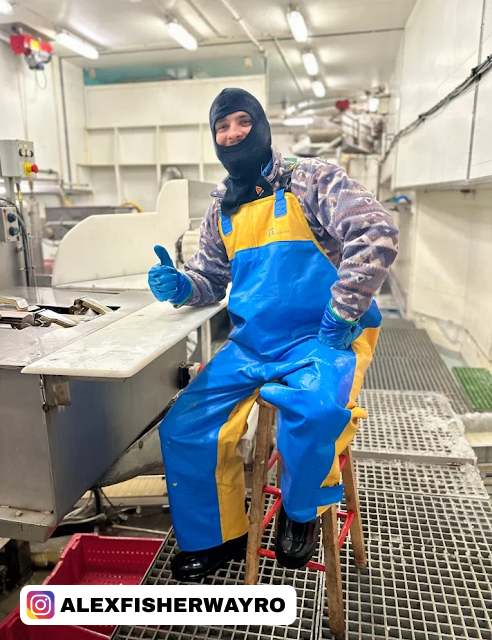
How to have time for everything? Alexei Matcovschii shares secrets for boosting productivity and efficiency onboard the vessel.
Working onboard a vessel requires not only physical endurance but also high productivity and teamwork. Many factors influence task efficiency, from workflow organization to mental attitude. Increasing productivity onboard not only allows you to complete tasks faster and better but also helps create a safe and positive work environment. In this article, I, Alexey Matkovsky, will share secrets that will help you and your team achieve maximum efficiency onboard.
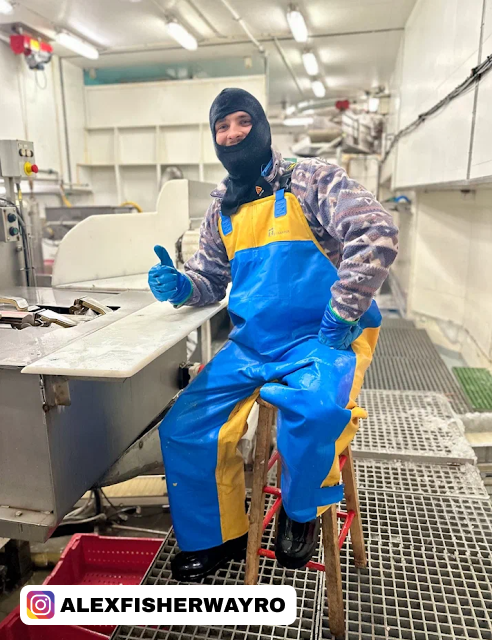 1. Clear Task Planning
- Planning the Day: At the start of the shift, it's important to discuss the action plan for the day with the crew, assign tasks, and set priorities. This will avoid chaos and help each crew member understand their responsibilities.
- Checking Readiness: Before starting work, ensure all equipment is in good working order and ready for use. This will help avoid delays and increase task efficiency.
2. Optimizing Workflow
- Task Allocation: Try to classify tasks by difficulty level and skill. More experienced crew members can handle complex tasks, while less experienced members can focus on auxiliary processes.
- Minimizing Unnecessary Activities: Optimizing workspace and reducing unnecessary movements around the vessel can save time and effort.
3. Effective Interaction and Communication
- Clear and Quick Communication: Use clear commands and signals, especially in difficult or dangerous situations. Prompt and clear communication reduces the likelihood of errors.
- Feedback: Maintain open communication and discuss issues and successes at the end of each shift. This will help improve processes and adjust approaches.
4. Caring for Physical and Mental Health
- Staying Fit: Physical exercises and stretches will help you stay flexible and strong, which is important for physically demanding work. Don't forget to warm up before starting your shift.
- Psychological Support: Working at sea can be stressful. Mutual support, discussions with colleagues, and taking time out from a busy schedule can help manage stress.
5. Time Management
- Clear Schedule of Shifts and Leave: Maintaining a regular work and rest schedule helps you stay strong and focused. Fatigue reduces productivity and increases the risk of errors.
- Prioritize the Most Important Tasks: Try to complete the most important tasks first, so you don't waste energy on secondary tasks.
6. Training and Professional Development
- Training in New Methods: Adopting new technologies and methods can significantly improve efficiency. Continuous training and skill development will help you stay relevant.
- Peer Education: Share knowledge with less experienced crew members. This will strengthen the team and improve overall performance levels.
7. Motivation and Team Spirit
- Recognition and Rewards: Praise team members for their achievements and successes. This motivates them to work harder and strive for new accomplishments.
- Maintaining Discipline: Discipline onboard is essential for safety and productivity. Every crew member must realize that overall success depends on their efforts.
8. Technological Support
- Automation and Modernization: Using modern technology and tools helps speed up tasks and reduce physical effort.
- Regular Equipment Maintenance: Timely maintenance and repair of equipment prevent downtime and emergencies.
9. Adapting to Conditions and Weather
- Flexibility in Approach: Weather conditions can alter the work plan. Flexibility and adaptability can help avoid downtime and increase productivity.
- Adhering to Safety Standards: Work only when it is safe to do so. Forcing work in dangerous conditions can lead to accidents.
10. Efficient Use of Resources
- Reducing Waste: Optimizing the use of materials and fuels reduces costs and increases sustainability.
- Time Management: Clear allocation of time for main and secondary tasks increases overall productivity.
Conclusion
Increasing productivity and efficiency onboard the vessel is the result of teamwork, proper planning, and attention to detail.
Every crew member has a role to play, and only by joining forces can maximum results be achieved. Maintaining discipline, training in new methods, caring for health, and mutual support make work not only more efficient but also safer and more satisfying. Alex Matkovsky has been with you, sharing tips and believing that in the maritime industry, success is achieved by those who strive for excellence and support their team.
Watch my free lesson where I explain in detail how you can get a job at sea and start earning a decent salary:
 Free lesson!