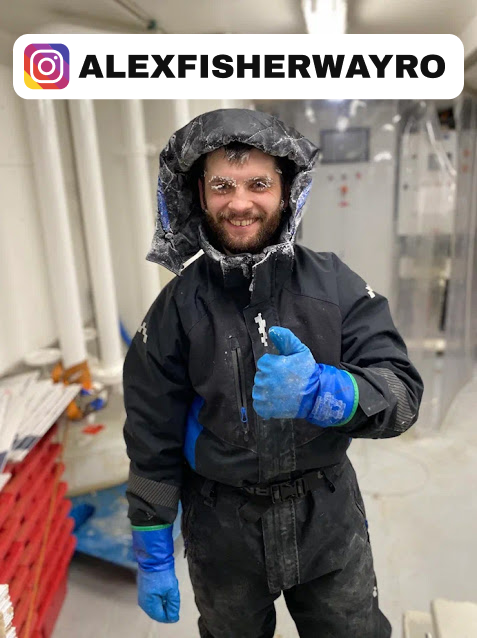
Articles
Articles
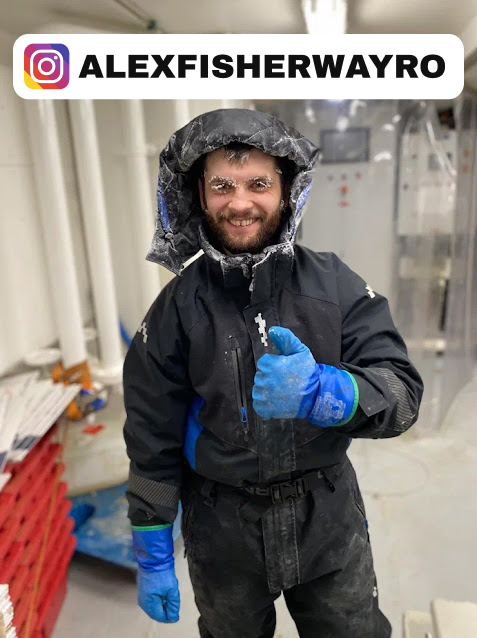 Working as a crab fisher requires physical endurance, the ability to work as part of a team, and the willingness to face difficult conditions on board. Before applying for a job, it is important to ensure that you meet the key requirements:
Physical preparation: Working on a crab fishing vessel involves hard physical labor. You will need to lift and handle heavy traps, work in low temperatures, and endure long shifts. Regular strength and endurance training will help you prepare for the challenges ahead.
Skills and experience: Although it is not essential to have experience in crab fishing to start in this field, basic knowledge of marine work, safety, and equipment would be an advantage. Basic Safety Training is recommended.
Language skills: Knowledge of English or Norwegian will make interaction with colleagues and employers much easier. If your level is still low, start by learning key phrases and terms.
Steps to Employment
There are several steps you need to follow to get a job as a crab fisher in Norway:
Job search
Specialized agencies: There are numerous agencies that assist with employment on crab fishing vessels. They can offer job vacancies and help you with documentation.
Online platforms: Visit job sites like Finn.no or specialized forums dedicated to maritime industry jobs.
Direct application to employers:
Interview: During the interview, you may be asked about your physical condition, skills, and professional experience. Be prepared to explain why you want to work as a crab fisher and how you handle physical and mental challenges.
Showing a willingness to learn and the ability to work in a team is a great advantage.
Required Documents
You will need the following documents to work on a crab fishing vessel:
A valid passport
-EU/EEA citizens have easier access to work in Norway
-Seafarer's medical certificate
-Health is important. You must undergo a medical examination and obtain a certificate confirming your fitness to work at sea.
-Safety certificate (Basic Safety Training)
This course includes water rescue, first aid, and fire-fighting training. The certificate is mandatory for working on any vessel.
CV and references
Write a short CV that includes your professional experience, skills, and contact persons for references. If you have experience on other vessels or in related fields, be sure to highlight this.
Tips from Alexei Matcovschii
Be prepared for challenges: Working as a crab fisher is not easy. But each day at sea can be an exciting adventure if you are willing to work hard and adapt.
Listen to your colleagues: Learn from experienced team members. Their advice will help you quickly adjust and become part of the team.
Take initiative: Employers appreciate employees who are willing to do more than expected. Help others, be proactive, and open to new challenges.
Conclusions
Working as a crab catcher in Norway is a chance not only to earn money but also to test yourself. If you are ready for the challenge, physically fit, and have the right documents, don't be afraid to take the first step. It is a tough but extremely rewarding profession that opens many opportunities. Alexei Matcovschii has been with you, and I hope my recommendations will help you start a successful journey in this amazing field.
Working as a crab fisher requires physical endurance, the ability to work as part of a team, and the willingness to face difficult conditions on board. Before applying for a job, it is important to ensure that you meet the key requirements:
Physical preparation: Working on a crab fishing vessel involves hard physical labor. You will need to lift and handle heavy traps, work in low temperatures, and endure long shifts. Regular strength and endurance training will help you prepare for the challenges ahead.
Skills and experience: Although it is not essential to have experience in crab fishing to start in this field, basic knowledge of marine work, safety, and equipment would be an advantage. Basic Safety Training is recommended.
Language skills: Knowledge of English or Norwegian will make interaction with colleagues and employers much easier. If your level is still low, start by learning key phrases and terms.
Steps to Employment
There are several steps you need to follow to get a job as a crab fisher in Norway:
Job search
Specialized agencies: There are numerous agencies that assist with employment on crab fishing vessels. They can offer job vacancies and help you with documentation.
Online platforms: Visit job sites like Finn.no or specialized forums dedicated to maritime industry jobs.
Direct application to employers:
Interview: During the interview, you may be asked about your physical condition, skills, and professional experience. Be prepared to explain why you want to work as a crab fisher and how you handle physical and mental challenges.
Showing a willingness to learn and the ability to work in a team is a great advantage.
Required Documents
You will need the following documents to work on a crab fishing vessel:
A valid passport
-EU/EEA citizens have easier access to work in Norway
-Seafarer's medical certificate
-Health is important. You must undergo a medical examination and obtain a certificate confirming your fitness to work at sea.
-Safety certificate (Basic Safety Training)
This course includes water rescue, first aid, and fire-fighting training. The certificate is mandatory for working on any vessel.
CV and references
Write a short CV that includes your professional experience, skills, and contact persons for references. If you have experience on other vessels or in related fields, be sure to highlight this.
Tips from Alexei Matcovschii
Be prepared for challenges: Working as a crab fisher is not easy. But each day at sea can be an exciting adventure if you are willing to work hard and adapt.
Listen to your colleagues: Learn from experienced team members. Their advice will help you quickly adjust and become part of the team.
Take initiative: Employers appreciate employees who are willing to do more than expected. Help others, be proactive, and open to new challenges.
Conclusions
Working as a crab catcher in Norway is a chance not only to earn money but also to test yourself. If you are ready for the challenge, physically fit, and have the right documents, don't be afraid to take the first step. It is a tough but extremely rewarding profession that opens many opportunities. Alexei Matcovschii has been with you, and I hope my recommendations will help you start a successful journey in this amazing field.
 The free lesson!
Next steps
Everything you need to know to get on a fishing vessel: documents, CV, interview, and employer contacts.
We prepare your CV in English and Norwegian, in the format required by employers in the fishing fleet.
List of fishing companies in Norway, Denmark, Ireland, and the UK, with direct contact details.

Your gateway to sea fishing employment opportunities.
Thank you for subscribing! You will receive the latest news from the maritime industry.
Do you have questions about employment in the maritime industry? Schedule a one-on-one consultation (30 min) and receive personalized answers.


