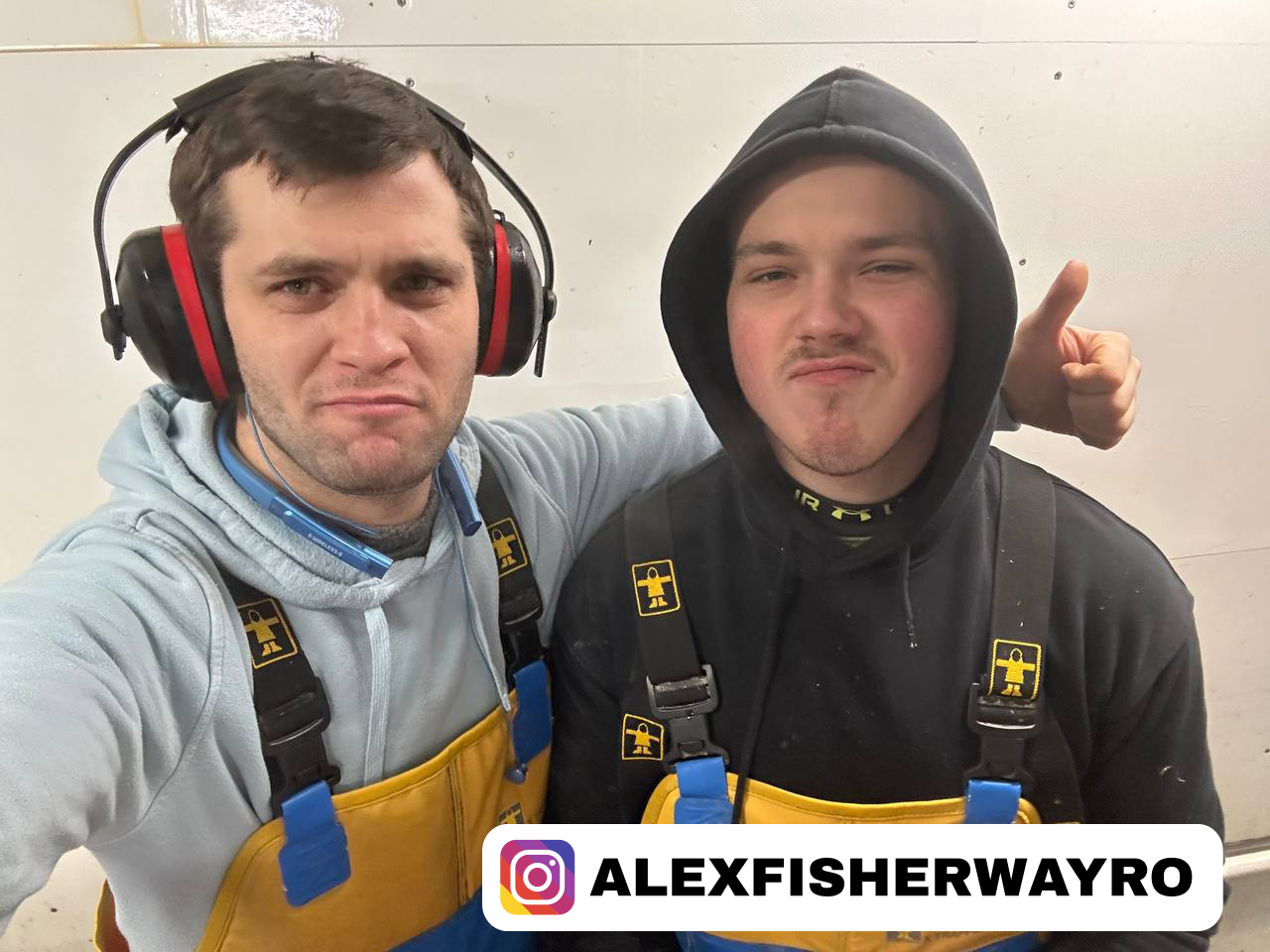
How to Choose Reliable Gear for Working at Sea
Working at sea comes with many challenges: harsh weather conditions, limited space, and physical effort require not only high endurance but also quality gear. Your comfort and safety can depend on how well you choose your clothing and equipment. In this article, I'll tell you what to pay attention to when selecting your gear for working at sea to feel confident and protected.
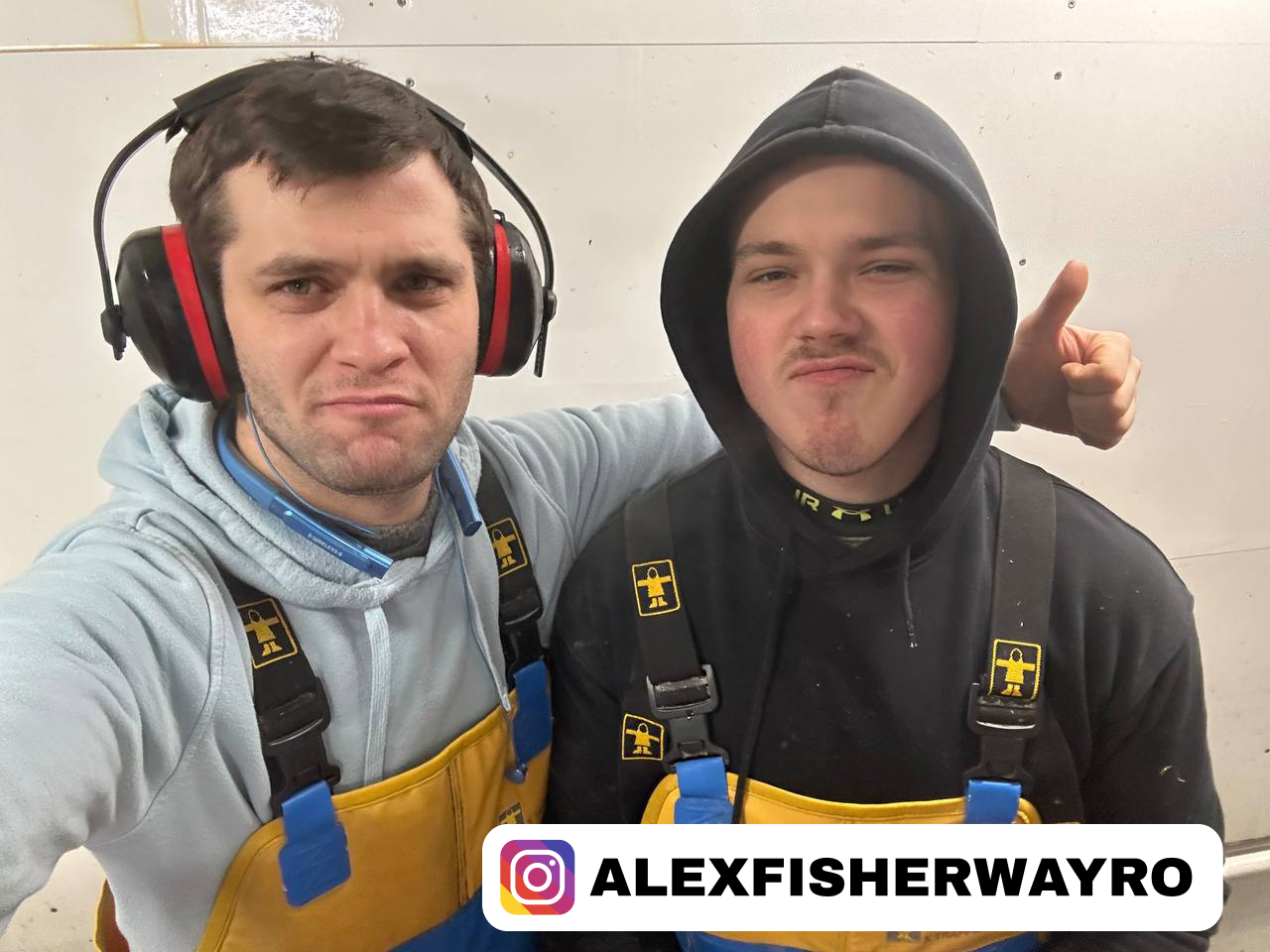 1. Waterproof Clothing
- Why it's important: At sea, moisture and dampness are common. Waterproof clothing protects you from wetness and cold, keeping you warm and comfortable.
- What to look for: Choose clothes made from high-quality materials with sealed seams. Ensure they provide good ventilation, or you risk overheating.
- Tip: Clothing sets with membranes offer moisture protection while breathing, reducing the risk of overheating when you're active.
2. Thermal Underwear
- Why it's important: Maintaining body temperature is essential to prevent hypothermia. Thermal underwear helps keep you warm, wicks moisture away from your body, and prevents overheating.
- What to look for: Merino wool or synthetic materials are preferred for optimal insulation and moisture absorption.
- Tip: Don't skimp on thermal underwear - it's the first line of defense and plays a crucial role in maintaining health.
3. Safety Boots
- Why it's important: Slippery surfaces, heavy equipment, and sharp objects are common on board ships. Proper footwear protects against injuries and provides stability.
- What to look for: Boots should be waterproof, have a reinforced toe (e.g., steel toe), a non-slip sole, and fit well on the foot.
- Tip: Try on shoes with the socks you'll wear at sea. Make sure they're comfortable and have room for toe movement.
4. Gloves
- Why it's important: Hand protection is essential when working with ropes, equipment, and heavy objects. Gloves help prevent injuries, blisters, and frostbite.
- What to look for: Choose gloves based on the task at hand: gloves with reinforced palms are better for working with nets and ropes, while insulated and waterproof models are better for cold protection.
- Tip: Having multiple pairs of gloves for different tasks is a practical solution.
5. Life Jacket
- Why it's important: Safety on the water should always be a priority. A life jacket provides support in the water and can save a life in case of falling overboard.
- What to look for: The jacket should be certified, comfortable, and not restrict movement. There are automatic models that inflate upon water contact.
- Tip: Regularly check the condition of the jacket and the presence of all its components.
6. Helmet and Head Protection Gear
- Why it's important: Workers on a ship often face the risk of impact, falling heavy objects, and other traumatic situations. A helmet protects the head and reduces the risk of serious injury.
- What to look for: Choose adjustable helmets that ensure a perfect fit and check for ventilation holes for comfort in warm weather.
- Tip: Always wear a helmet with a protective visor when using powerful equipment.
7. Goggles and Eye Protection
- Why it's important: Strong winds, water splashes, mechanical particles, and bright light can affect your vision.
- What to look for: Choose goggles that are UV-protected, shatter-resistant, and easy to clean.
- Tip: Keep an anti-fog spray handy to improve visibility in difficult conditions.
8. Emergency Protection Kit
- Why it's important: Emergencies can occur at any time. The emergency protection kit includes signaling equipment, insulating blankets, and other items to help in case of danger.
- What to look for: Ensure the kit is easily accessible and meets safety standards.
9. Quality Socks and Accessories
- Why it's important: Wet or cold feet can cause serious health problems. Quality socks with moisture-wicking properties keep you warm and protect you from dampness.
- What to look for: Look for socks made of wool or specialized materials that keep you warm even when wet.
Conclusion
Choosing reliable gear for working at sea is essential for your health and safety. Quality clothing and equipment will help you cope and provide comfort even in the harshest conditions. Don't skimp on protection - it can save your life. When choosing gear, consider the specifics of the activity, conditions, and safety requirements. Remember that reliability and comfort are the foundation for successful and safe work on board.
Watch my free lesson where I explain in detail how you can get a job at sea and start earning a decent salary:
 The free lesson!