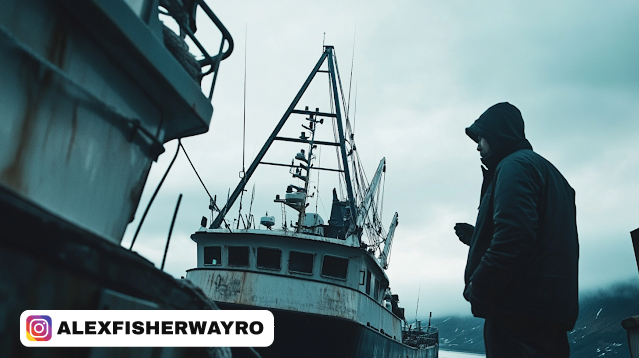
How to Adapt to Life at Sea and Return Home Safe and Sound
Life at sea is a unique experience that combines the romance of travel with the harsh reality of working far from land. Workers on fish farms, crab fishing vessels, and other maritime professions face daily challenges that require physical endurance, emotional stability, and a keen eye for safety. In this article, we explore how to adapt to life at sea and what measures will help you return home whole.
 Adapting to Life at Sea
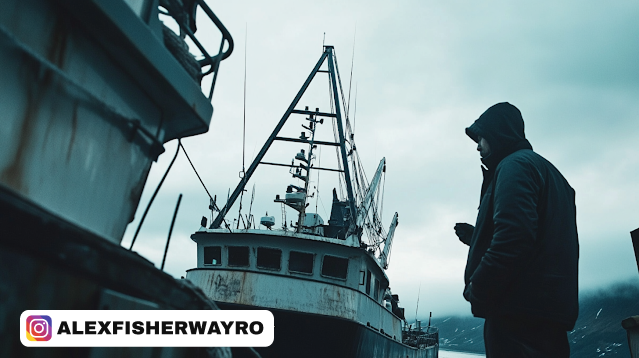
Working at sea requires adapting to constant changes: weather conditions, waves, shifts, and limited space can put pressure on you. To successfully master marine life, it's important to accept its realities and learn to be flexible.
Adapting to Life at Sea
Working at sea requires adapting to constant changes: weather conditions, waves, shifts, and limited space can put pressure on you. To successfully master marine life, it's important to accept its realities and learn to be flexible.
- Physical Fitness and Endurance
- Working at sea is often associated with heavy physical labor. Standing for long periods, lifting heavy loads, and working in tough conditions require good physical fitness. Regular workouts, such as cardio and strength exercises, will help you prepare for these challenges.
- Emotional Resilience
- Long months away from home can be emotionally challenging. It's important to keep your spirits high and stay in touch with family and friends using available communication means. Colleague support is also essential: team spirit helps overcome difficulties.
- Accepting Isolation and Constraints
- Space on a ship or platform is limited, and the routine can seem monotonous. Find ways to diversify your daily routine: exercise, read a book, engage in a hobby, or learn a new language. This will help you stay motivated and improve your psychological well-being.
Onboard Safety
Offshore work involves risks, so adhering to safety rules is vital. Ignoring instructions can lead to injuries or dangerous situations.
- Adhering to All Rules and Regulations
- Every crew member must follow safety instructions. Before starting work onboard, you will likely need to undergo safety training covering basics like rescue procedures, using protective equipment, and handling hazardous equipment.
- Using Protective Equipment
- Helmets, gloves, safety boots, and life jackets are not just recommended, they are mandatory. They can save your life in case of a fall, injury, or accident.
- Alertness and Team Cooperation
- Onboard the ship, it's important to stay vigilant and watch over your colleagues. Working at sea is a team effort, and one person's safety depends on the actions of the entire crew. If you notice something dangerous or unusual, report it to the captain or shift leader.
- Preparing for Emergencies
- Learn to use emergency equipment and know where it is located. In case of fire, fuel leak, or other incidents, it's important to act quickly and coherently. Regular preparation for evacuation and firefighting will help you stay ready for any emergency.
Adapting to Sea Conditions
Life at sea involves exposure to weather conditions, from storms and freezing winds to sudden temperature changes. Here are some tips for adaptation:
- Dress According to the Weather: Invest in quality clothing that protects you from cold, wind, and moisture. Thermal insulation and moisture-wicking materials are particularly important.
- Combating Seasickness: If you're prone to seasickness, take medication in advance or use proven adaptation methods, such as breathing exercises or avoiding heavy foods.
Psychological Support and Returning Home
After a long stay at sea, returning home can be challenging in terms of adjusting to daily life. Transitioning from the marine rhythm to the land rhythm requires time and effort.
- Family Support
- Talk openly with loved ones about your experiences, sharing your feelings and joys. This will help build relationships and reduce feelings of isolation.
- Give Yourself Time to Adjust
- Don't rush to return to daily duties and chores. Allow yourself some rest and recovery after a busy period at sea.
- Skill Development and Future Planning
- Use the periods between voyages for training and personal development. This will help you prepare for future challenges and feel confident.
Conclusion
Life and work at sea require resilience, discipline, and respect for safety. Adapting to the sea and returning home safely depend on your willingness to follow rules, work as a team, and take care of your health. Maritime professions can be challenging, but they offer unique opportunities for growth, adventure, and true camaraderie.
Watch my free lesson where I explain in detail how you can get a job at sea and start earning a decent salary:
 Free lesson!