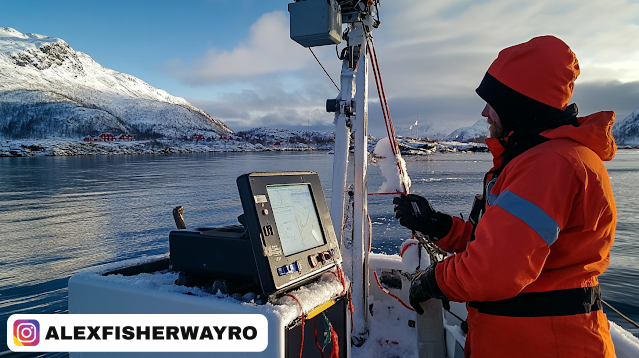
Future Technologies: How Automation is Changing the Fishing Industry
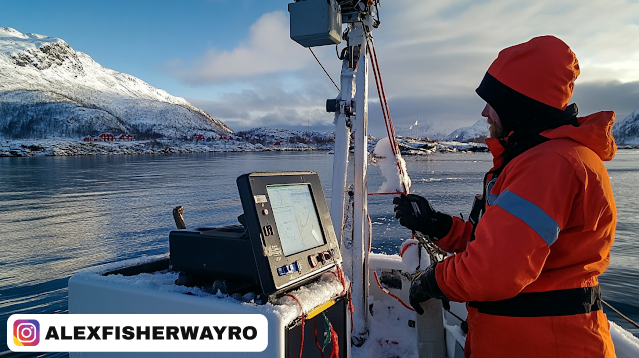
The modern fishing industry in Norway, one of the largest in the world, is undergoing a revolution due to the introduction of automated technology. Automation not only boosts efficiency and reduces costs but also improves product quality and supports the sustainable development of the industry. In this article, we examine how future technology is changing the fishing industry, the benefits and challenges it brings, and what the future holds for workers.
 1. Automated Feeding and Monitoring in Fish Farms
- Technology Description: Modern fish farms use automated feeding systems that calculate the exact amount of feed for fish based on their size, condition, and environmental factors. Monitoring systems control oxygen levels, water temperature, and other parameters.
- Benefits: Increases productivity, reduces animal feed costs, and minimizes waste, thus contributing to more sustainable resource use.
- Example: Companies are introducing underwater cameras and sensors that automatically analyze fish behavior, allowing real-time feed adjustments.
2. Robotic Sorting and Packaging Systems
- Technology Description: Automated fish sorting and packaging lines increase the speed and accuracy of product handling, reducing human errors.
- AdvantagesIncreased productivity and reduced risk of product damage, as well as improved hygiene standards in processing plants.
- Significance for Employees: Employees must adapt to new technologies and learn how to operate and install equipment, which requires new skills and can enhance qualifications.
3. Artificial Intelligence and Data Analysis
- Technology Description: Artificial Intelligence (AI) analyzes large amounts of data collected from farms and processing units and suggests optimal solutions for improving efficiency.
- Use Case Example: AI can predict disease risks among fish, improve feeding processes, and optimize logistics.
- Advantages: This reduces waste and increases productivity, which is particularly important in a highly competitive environment.
4. Autonomous Underwater Robots
- Technology Description: Underwater robots are used for monitoring and cleaning nets in fish farms. They can inspect equipment and fish conditions, transmitting data to operators.
- Advantages: This reduces the need for manual labor and minimizes health risks for workers by reducing the number of dangerous underwater operations.
- Outlook: The use of these robots improves fish care and reduces maintenance costs.
5. Quality Control Technologies and Product Safety
- Technology Description: Automated quality control systems check products for defects, compliance with standards, and possible contamination.
- SignificanceThis is particularly important in Norway, which is renowned for its high-quality fish and seafood. Implementing such systems helps maintain a high level of consumer trust.
6. Sustainable Production and Waste Reduction
- Role of Automation: Modern technology helps use resources more efficiently, reduce waste, and minimize environmental impact.
- Example: Farm water recycling and reuse systems minimize environmental impact and improve production sustainability.
Challenges and Prospects for Automation
- Changing Job Market: The introduction of automation may reduce the number of low-skilled jobs but also creates new opportunities for specialists in machine control and programming.
- Need for Training: Employees must be willing to continuously learn and adapt to new technologies.
- Implementation Costs: Automation requires significant investment, but in the long term, these costs are recovered through increased efficiency and reduced operating costs.
Conclusion
Automation is changing the fishing industry in Norway, making it more technologically advanced, sustainable, and efficient. Future technologies offer significant advantages but also require employees and companies to be prepared to adapt and innovate. Those who can master new technologies and apply them in their work will lead this dynamic industry.
Watch my free lesson where I explain in detail how you can get a job at sea and start earning a decent salary:
 Free lesson!