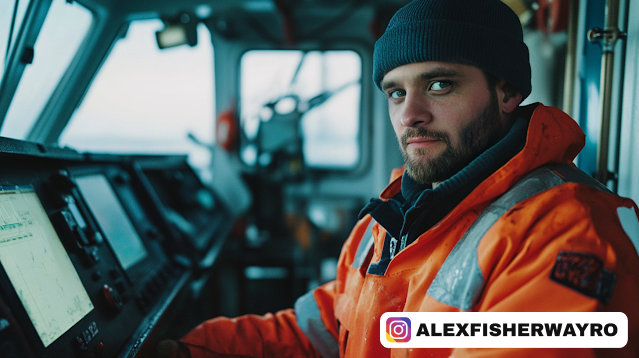
Fishing and Commercial Shipping in Norway: Pros and Cons of Working at Sea - Tips from Alexei Matcovschii AlexFisherWay
Working at sea is not just a profession, but a way of life that requires preparation for hardships, physical endurance, and the ability to cope with isolation. Fishing and commercial shipping in Norway attract thousands of workers due to high salaries, stable conditions, and advanced technology. However, like any profession, working at sea has its pros and cons.
I,
Alexei Matcovschii, will share my experience and recommendations for those who wish to connect their lives with the maritime industry.
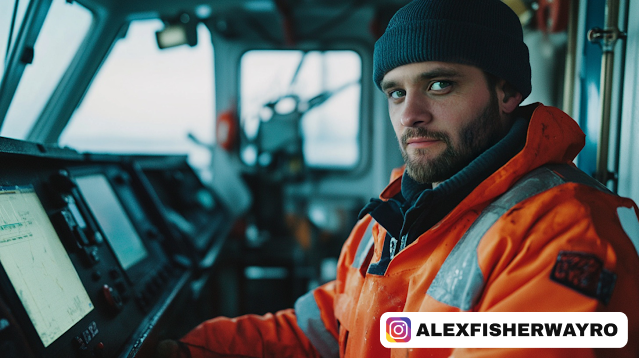 Benefits of Working in the Norwegian Fishing and Commercial Fleet
- High Salary Level
- Working on Norwegian vessels is very profitable. Average salaries on fishing vessels can reach up to $70,000 per year, especially for those with experience and challenging tasks. This is well above the salary levels in most other countries.
- Seasonal fishing, such as crab fishing, can generate even more significant income in a short period of time.
- Social Security and Safety Guarantees
- Employees on Norwegian vessels benefit from social security benefits, including health insurance, pension contributions, and injury compensation. This provides future security and protection against unforeseen situations.
- Norway is renowned for its high level of compliance with safety regulations on board. All crew members are required to undergo safety courses, which reduces risks and enhances training.
- Modern Technologies and Innovations It is also an opportunity for employees to learn new technologies and improve their skills.
- Norwegian vessels are equipped with advanced navigation systems, automated facilities, and state-of-the-art equipment.
This makes work more efficient and safer.
- International Experience and Professional Development
-
- Working on international routes and in complex maritime operations offers valuable experience. This opens up career development opportunities and work in other countries.
- Special Atmosphere and Teamwork
- Mutual understanding and support are important on board. Teamwork is an essential element of a successful fishing trip or voyage, and strong bonds with colleagues create a special atmosphere.
- Disadvantages of Working in the Fishing and Commercial Fleet
Physical and Psychological Stress
- Working on a ship requires a high level of physical endurance and readiness for long shifts. This can be particularly difficult for newcomers who are not used to such stress.
- Psychological stresses are associated with isolation, long periods away from home, and limited communication with the outside world. For many people, this becomes a real challenge.
- Separation from Family
- Seafarers are often involved in long journeys and may spend months away from home. This is difficult for family members and can affect relationships with loved ones.
- Modern means of communication partially solve this problem, but do not replace direct communication.
- Severe Weather Conditions
- Maritime work involves the risk of being caught in storms, working in cold waters, and facing freezing conditions on the ship. Severe weather conditions make work particularly challenging.
- Despite safety measures, there is always a risk of accidents at sea.
- Routine and Monotony
- Despite the complexity and importance of tasks, working on a ship can become monotonous. Routine operations, especially on commercial vessels, require repeating the same actions over long periods of time.
- Need for Continuous Training
- The maritime industry is constantly evolving, requiring workers to undergo periodic training and update their certifications. This can be both an advantage and an additional burden.
- Tips for Those Who Want to Work on Norwegian Ships
Prepare Physically and Mentally: Working at sea requires strength and endurance. Train physically and prepare for long periods of work away from shore.
- Be Trained and Certified: Ensure you have all the necessary certifications and accreditations. This will increase your chances of employment.
- Prepare for Teamwork: Mutual understanding and support on board are key to success at work. Respect your colleagues and strive to create a positive atmosphere.
- Stay Connected with Family: Use modern means of communication to stay in touch with loved ones even when you are far from home.
- Update Your Skills and Knowledge: Keep up with new technologies and approaches in the maritime industry to remain a sought-after professional.
- Conclusion
Working in the Norwegian commercial and fishing fleet offers both significant opportunities and many challenges. High earnings and professional growth go hand in hand with physical and emotional challenges. For those willing to take on the challenge and strive for success, this field can become not only a source of income but a lifelong endeavor. Alexey Matkovsky was with you, sharing my experience, and I hope my recommendations will help you find your place at sea.
Watch my
free lesson where I explain in detail how you can get a job at sea and start earning a decent salary: Free lesson!
 Lecția gratuită!