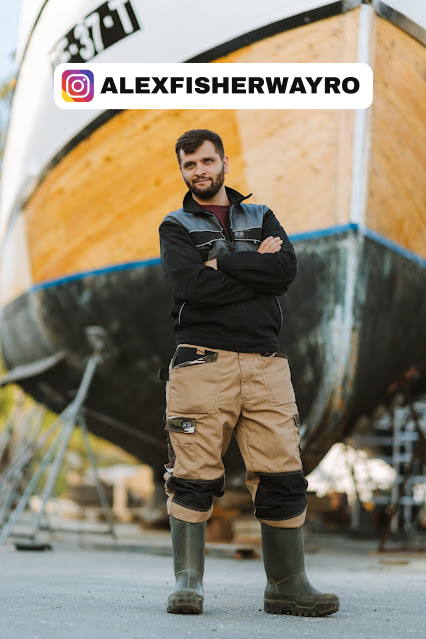
Creating a CV for Crab Fishing Jobs in Norway, Denmark, Ireland, England: Alexei Matcovschii Shares Secrets for Successful Employment on Crab Fishing Vessels
Working on crab fishing vessels in countries like Norway, Denmark, Ireland, and England attracts many people seeking a decent income and a unique experience. However, to secure a job in this challenging and competitive field, you must properly create a CV that makes you stand out among the many candidates. How to do it competently and effectively? In this article, I,
Alexei Matcovschii, will share the secrets of successfully writing a CV for crabbing jobs.
 1. Main Sections of the Resume
First, it's important to understand that your CV must contain key sections that will help the employer quickly assess your experience and qualifications. Here are the sections you should include:
1. Main Sections of the Resume
First, it's important to understand that your CV must contain key sections that will help the employer quickly assess your experience and qualifications. Here are the sections you should include:
- Contact Information: Provide your full name, phone number, email address, and (if applicable) location. If you have a LinkedIn profile, it can also be included.
- Objective: A brief statement about why you want to work on a crab fishing vessel and what you can offer the company. For example: "Seeking a position in crab fishing in Norway to utilize my maritime industry experience, maintain a high catch rate
and uphold safety standards."
- Professional Experience: List your previous professional experience related to the maritime industry, if any. Indicate companies, positions, employment period,
and main responsibilities.
- Education and Certification: Indicate education and certifications related to maritime safety and other necessary skills.
- Skills: List key skills that will be useful for working on
a crab fishing vessel.
- References: If you have references from previous employers,
it would be a great advantage.
2. Professional Experience: What is Important to Highlight?
- Sea Work: If you have previous experience working on vessels (not necessarily crab fishing), be sure to mention it. For example, working on fishing vessels, cargo ships, or even in aquaculture would be a significant advantage.
- Technical Skills: Specify the skills needed to operate equipment used on board. This may include working with traps, nets, winches, and other gear.
- Safety: Experience in attending safety courses (e.g., basic safety training) and adhering to safety standards on board is essential.
- Physical Endurance: Working on a crab fishing vessel requires a lot of physical activity, so it will be useful to emphasize your physical condition.
3. Education and Certificates
- Safety Courses: Be sure to list all completed safety courses and certificates, such as basic safety training, first aid, firefighting, and other courses necessary for working on vessels.
- Additional Skills: If you hold other professional certifications, such as ship management or specialized machinery, these can be an additional advantage.
4. Key Skills
- Physical Endurance: Highlight your willingness to work in a demanding environment, the ability to endure long shifts and intense physical efforts.
- Teamwork: The ability to work as part of a team is essential. Cite examples of teamwork and the ability to maintain a team atmosphere.
- Survival and Safety Skills: Learning and knowing how to act in extreme conditions on the water, using rescue equipment, and following safety rules.
- Communication: The ability to communicate in English (or another language, depending on the country) will be a significant advantage.
5. Tips for Writing a CV
- Conciseness and Precision: Your CV should be clear and concise. The optimal length is no more than two pages.
- Professional Language: Avoid jargon. Use a professional style that meets employers' expectations.
- Formatting: Make the CV easy to read. Use headings, lists, and a clear structure.
- Tailoring to the Job Vacancy: Tailor your CV to each job you apply for. Pay attention to the specifics of the position in the respective country (Norway, Denmark, Ireland, England) and the employer's requirements.
6. Recommendations and Feedback
If you have references from previous employers, be sure to attach them to your CV or provide contact details of people who can recommend you. This will help the employer assess your professionalism and seriousness.
Conclusion
Creating a CV for a crab fishing job in Norway, Denmark, Ireland, or England is an important step towards successful employment. Pay attention to each section, highlighting your strengths and professional skills needed to work on crab fishing vessels. Success comes to those who are willing to work hard and commit to professional development. With you was Alexei Matcovschii I share the secrets of successful employment and wish you to find your place in this exciting profession.
Watch my free lesson where I explain in detail how you can get a job at sea and start earning a decent salary:
 Free lesson!