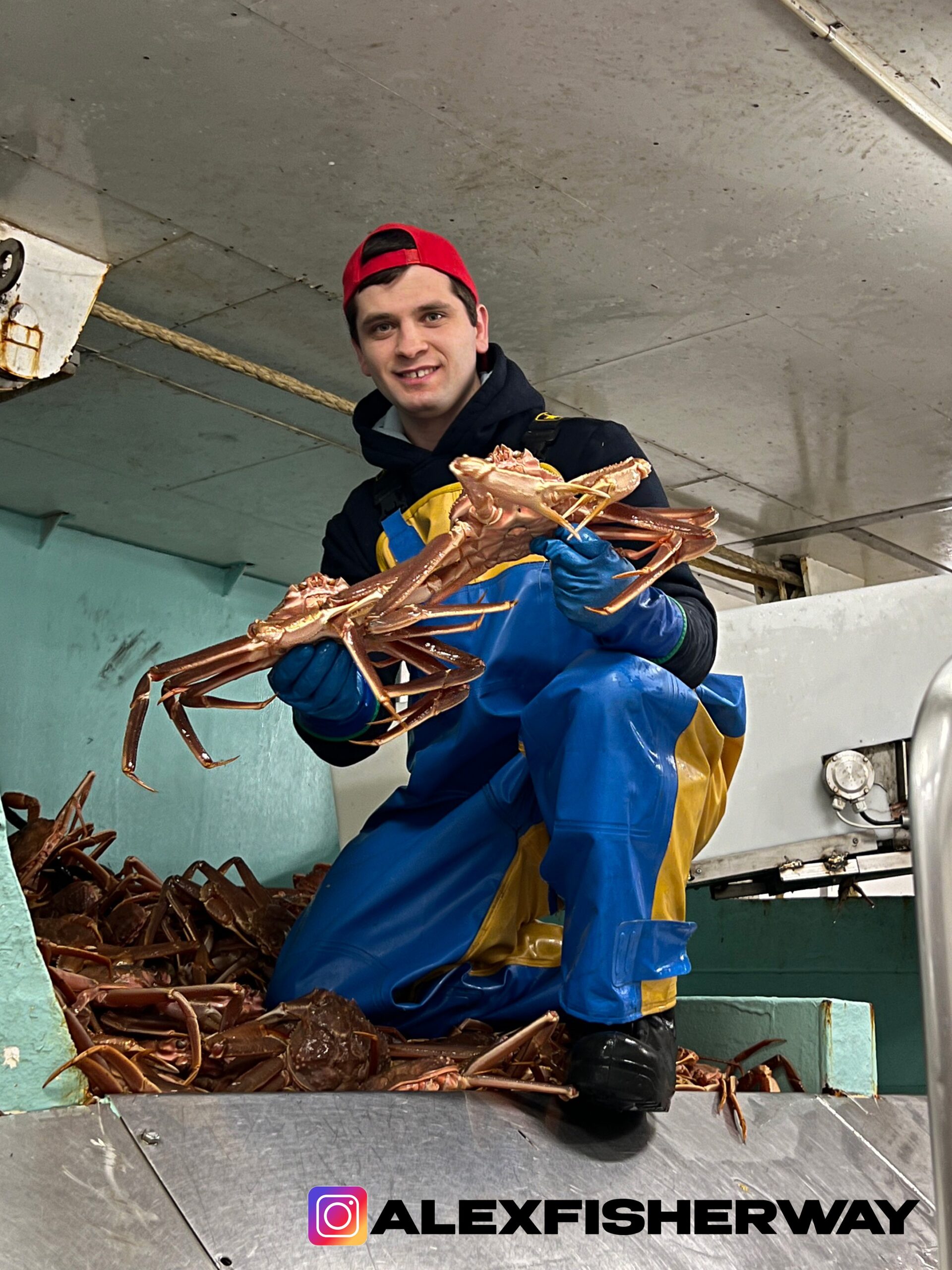
Crabs and Fish: How Harvesting and Processing Differ in Fishing: Alexei Matcovschii Tells Us
The marine industry offers numerous activities, with crab and fish fishing being among the most important in this sector. However, despite both crabs and fish being marine resources, the approaches to harvesting and processing them differ significantly.
These differences are due to the biological characteristics of the catch, habitat conditions, and processing requirements.
In this article, I,
Alexei Matcovschii, will explain how crab and fish harvesting and processing differ, as well as the skills and technologies used in these fisheries.
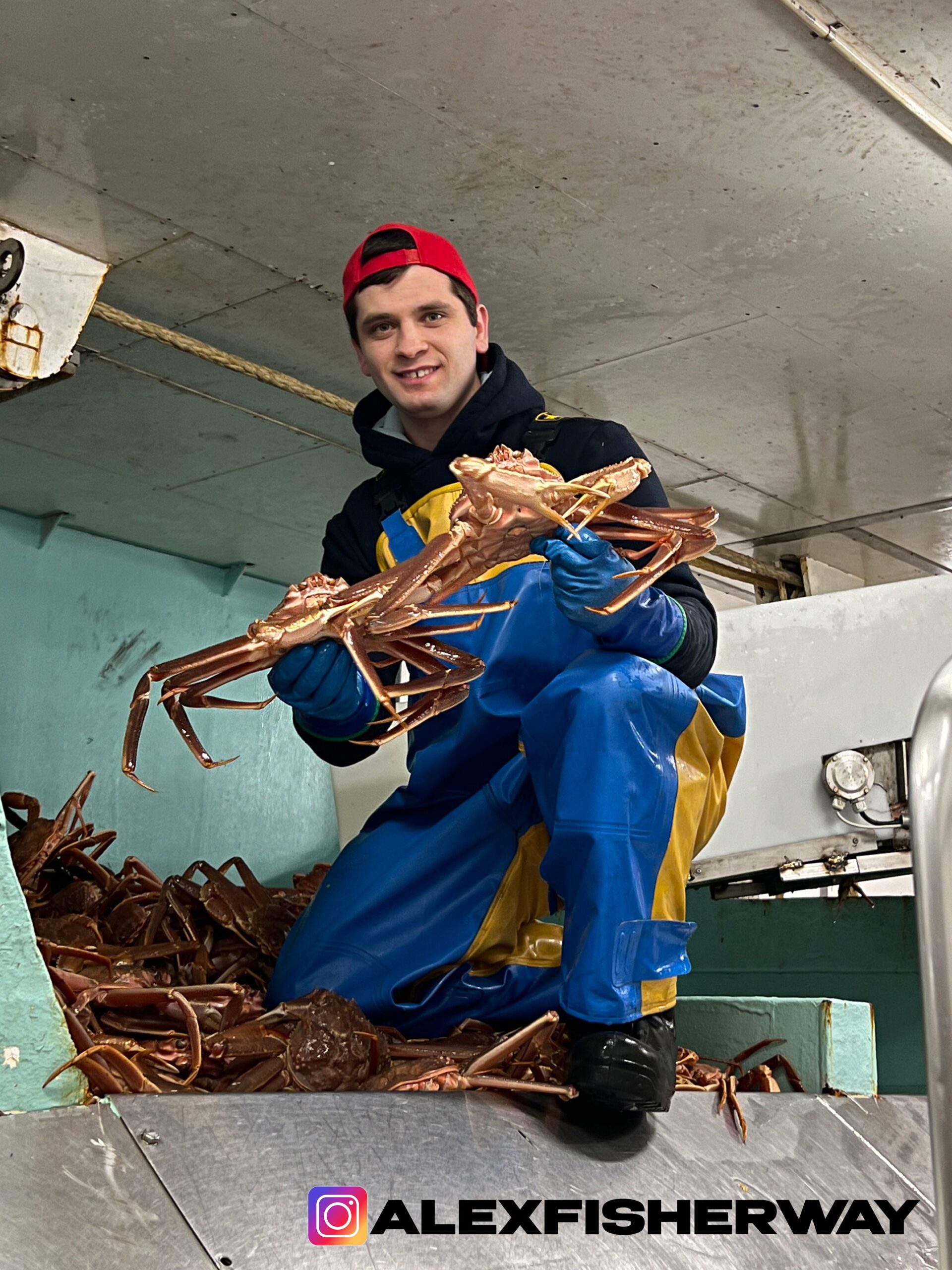 1. Crab Fishing
Capture Methods: Crabs are harvested using special traps (crab pots) placed on the seabed. The traps are baited to attract crabs and are set in predetermined locations with a rich crab population. The process of setting and retrieving the traps requires physical strength and precise coordination, as each trap can be quite heavy.
1. Crab Fishing
Capture Methods: Crabs are harvested using special traps (crab pots) placed on the seabed. The traps are baited to attract crabs and are set in predetermined locations with a rich crab population. The process of setting and retrieving the traps requires physical strength and precise coordination, as each trap can be quite heavy.
Seasonality: Crab fishing is often seasonal. For example, Kamchatka crab fishing in the Barents Sea usually takes place during specific times of the year when catches are most productive.
Environmental Requirements: Crab harvesting is strictly regulated to prevent overfishing and maintain the population.
This includes adhering to quotas, selective catch sizes, and using techniques that minimize ecosystem damage.
2. Fish Extraction
Fishing Methods: Fish are caught using a variety of methods - trawls, nets, longlines, rods, and other gear. Unlike crab fishing, fishing can occur at different levels of the water column depending on the targeted fish species.
Scale of Fishing: Fishing can be massive when large trawler vessels collect catches on a huge scale. This requires working with nets that can stretch for dozens of meters and using specialized equipment for handling the catch.
Regulatory Approach: Fish harvesting is also regulated through quotas and licenses to prevent depletion of marine resources and conserve biodiversity.
3. Crab Processing
Live Transport: It is important to note that crabs are often transported live. Once on board, they are sorted by size and species, ensuring the right conditions for viability.
Sorting and Quality Control: Crabs are sorted manually. Workers check that each specimen meets standards (size, quality) and only crabs that meet the standards continue processing or are sent to market.
Thermal Processing: After sorting, crabs may undergo thermal processing - boiling or freezing - to preserve freshness and quality. This requires strict control of temperature and processing time.
4. Fish Processing
Cutting and Cleaning: After capture, fish undergo stages of cutting and cleaning. These can include removing guts, heads, scales, and other elements. In large factories, this process can be automated to increase processing speed.
Filleting and Preservation
: Fish is often turned into fillets, frozen, dried, smoked, or canned depending on market requirements.
Storage and Logistics: Fish processing requires strict temperature control at all stages of storage and transport to maintain freshness and avoid spoilage.
5. Technological Differences
Equipment: Crab capture and processing require traps, winches, and specialized thermal equipment. For fish, numerous mechanisms are used, from trawl winches to automatic cutting machines.
Processing Speed: Fishing vessels often aim to process the catch as quickly as possible to preserve its quality. Crab fishing vessels focus more on keeping the catch alive or thermally treating it.
6. Environmental and Sustainability Aspects
Responsible
Fishing: Both crab and fish fishing should adhere to the principles of sustainable resource use. These include preventing overfishing, monitoring ecosystem health, and respecting quotas.
Waste Minimization: Modern approaches to fish and crab processing involve minimizing waste and recycling raw materials.
Conclusions
Crab and fish harvesting and processing in the fishing sector differ in methods, technologies, and requirements. Each stage requires professionalism and strict adherence to quality and safety standards. These differences make each sector unique and an important part of the marine industry. For those looking to work in this field, understanding the fishing and processing industry is key to success.
Alexei Matcovschii was with you, sharing my experience, and I am sure there is always a place in the maritime industry for professionals ready to develop and learn its intricacies.
Watch my free lesson where I explain in detail how you can get a job at sea and start earning a decent salary:
➡️ Free lesson!