Articles
Articles
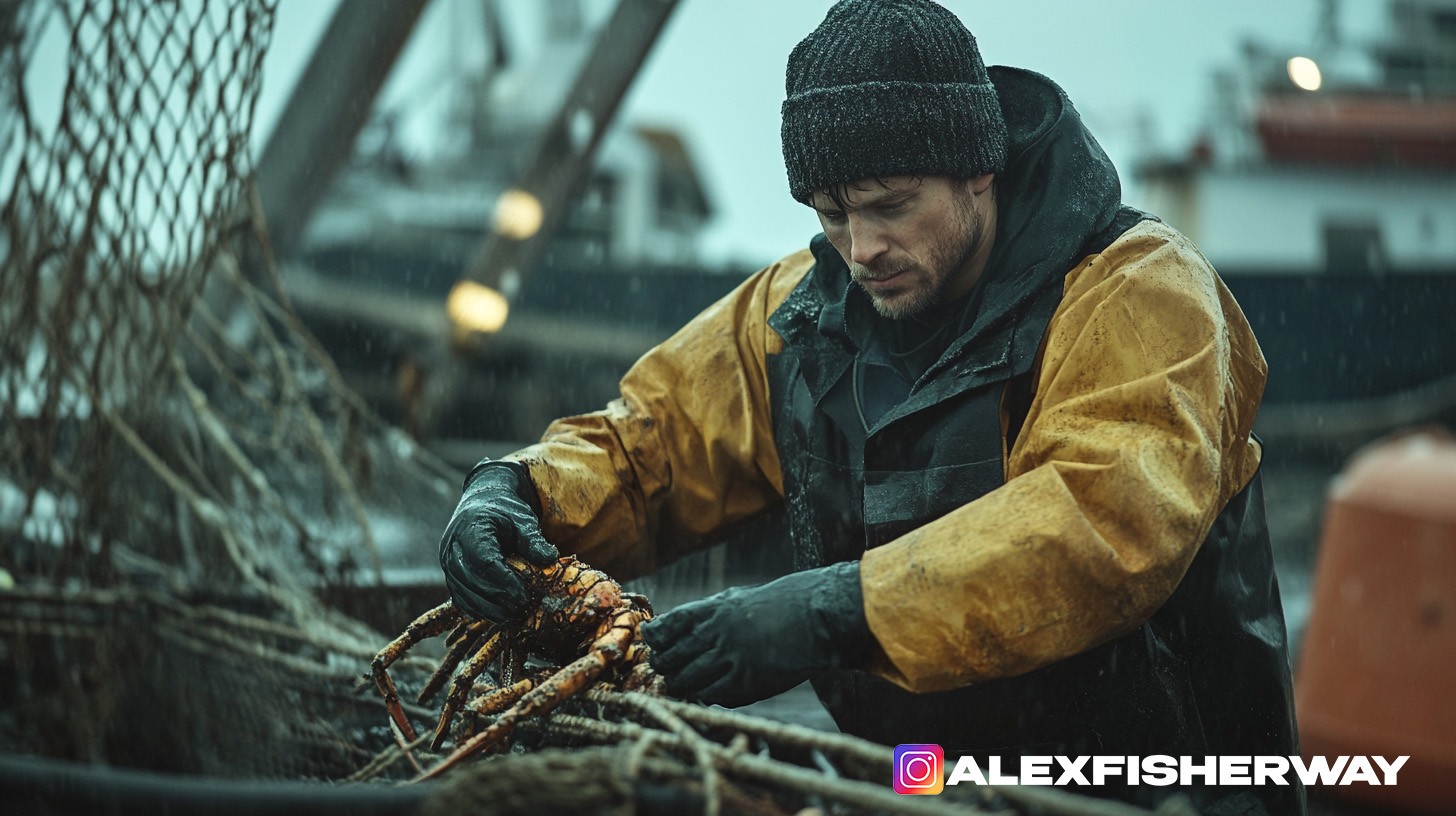
 The crab fishing season in Norway starts depending on the crab species and the fishing region. The most popular species is the Kamchatka Crab. Fishing usually takes place during the cold season, starting in autumn and continuing until the end of winter. This is due to the migration of crabs and their activity during certain periods. Traps are placed on the seabed where crabs move actively, and the task is to choose the optimal place and time for fishing.
However, weather conditions can be a major challenge. Northern waters are harsh, with low temperatures, frequent storms, and strong winds. Crab fishing requires not only professionalism and skill but also physical endurance. Workers must be prepared to work in cold and unfavorable weather, which increases the challenge but also highlights the importance of their work.
Fishing Techniques and Methods
Modern Norwegian crab fishing vessels are equipped with advanced technologies that significantly enhance fishing efficiency. Special traps are used - large metal cages in which bait is placed. Once a crab enters the trap, it remains there until the vessel retrieves it. Monitoring technologies help locate the traps and optimize the collection process.
In addition to automation, manual labor is also important. Checking and maintaining equipment, lifting traps, and sorting crabs require high concentration and skill. Despite the introduction of technology, the human factor remains an important element of fishing success.
Economic Significance and Prospects
Crab fishing holds great economic importance for Norway. The Kamchatka crab, for example, is not only a delicacy but also a valuable export product. The high demand for quality products on the global market ensures a stable income for those involved in the industry. This creates attractive opportunities for seasonal workers, who can earn significant money in a short period of time.
However, high competition and strict quotas for crab fishing emphasize the need to comply with regulations and standards. Seasonal work requires knowledge of legal regulations, licenses, and quotas. This also contributes to the sustainability of fishing and the protection of ecosystems.
Prospects for Employees
The crab fishing season offers unique employment opportunities in Norway. Job vacancies in this field are open to both experienced professionals and newcomers ready to learn new skills. Salaries in this segment often depend on the volume of catches, creating an incentive to work efficiently. In addition to financial rewards, seasonal work can be the start of a long-term career in the maritime industry. Many companies offer training and contract extensions for successful employees.
Sustainability and the Future of the Industry
Norway places great emphasis on sustainable development and the protection of marine resources. Crab fishing is no exception: adhering to quotas, protecting juveniles, and controlling populations are essential aspects of sustainable fishing. This not only protects biodiversity but also contributes to the long-term stability of the industry. Prospects for workers and businesses depend on the ability to maintain a balance between fishing efficiency and environmental protection.
Conclusion
The crab fishing season in Norway is a challenging yet exciting endeavor that requires a deep understanding of processes, high skills, and the willingness to work in difficult conditions. For those willing to take on the challenge, it is not just a job but an opportunity to become part of a maritime tradition and make a significant difference. The prospects of this industry remain attractive, and the future remains stable and sustainable, thanks to care for nature and modern fishing approaches.
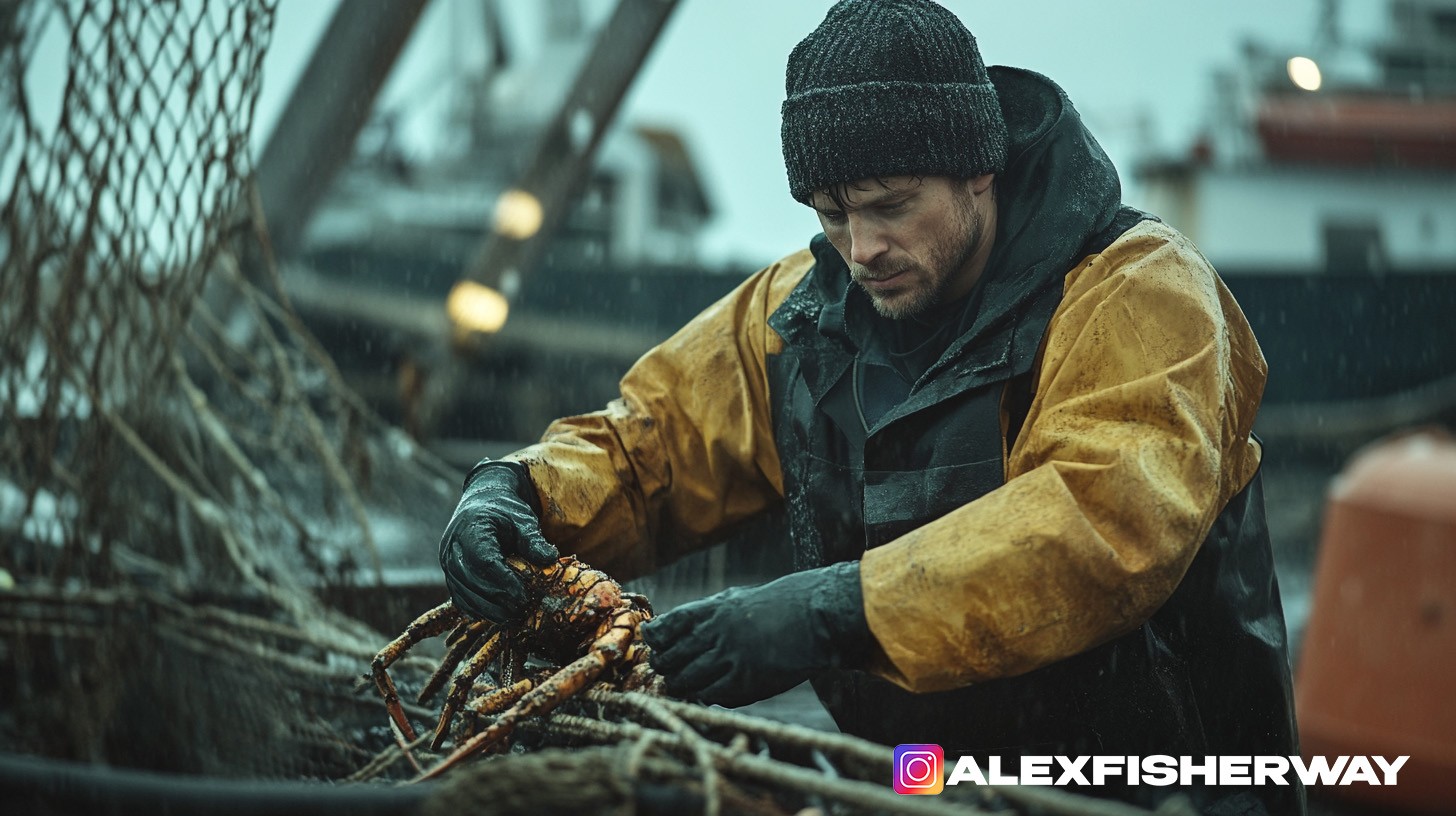
The crab fishing season in Norway starts depending on the crab species and the fishing region. The most popular species is the Kamchatka Crab. Fishing usually takes place during the cold season, starting in autumn and continuing until the end of winter. This is due to the migration of crabs and their activity during certain periods. Traps are placed on the seabed where crabs move actively, and the task is to choose the optimal place and time for fishing.
However, weather conditions can be a major challenge. Northern waters are harsh, with low temperatures, frequent storms, and strong winds. Crab fishing requires not only professionalism and skill but also physical endurance. Workers must be prepared to work in cold and unfavorable weather, which increases the challenge but also highlights the importance of their work.
Fishing Techniques and Methods
Modern Norwegian crab fishing vessels are equipped with advanced technologies that significantly enhance fishing efficiency. Special traps are used - large metal cages in which bait is placed. Once a crab enters the trap, it remains there until the vessel retrieves it. Monitoring technologies help locate the traps and optimize the collection process.
In addition to automation, manual labor is also important. Checking and maintaining equipment, lifting traps, and sorting crabs require high concentration and skill. Despite the introduction of technology, the human factor remains an important element of fishing success.
Economic Significance and Prospects
Crab fishing holds great economic importance for Norway. The Kamchatka crab, for example, is not only a delicacy but also a valuable export product. The high demand for quality products on the global market ensures a stable income for those involved in the industry. This creates attractive opportunities for seasonal workers, who can earn significant money in a short period of time.
However, high competition and strict quotas for crab fishing emphasize the need to comply with regulations and standards. Seasonal work requires knowledge of legal regulations, licenses, and quotas. This also contributes to the sustainability of fishing and the protection of ecosystems.
Prospects for Employees
The crab fishing season offers unique employment opportunities in Norway. Job vacancies in this field are open to both experienced professionals and newcomers ready to learn new skills. Salaries in this segment often depend on the volume of catches, creating an incentive to work efficiently. In addition to financial rewards, seasonal work can be the start of a long-term career in the maritime industry. Many companies offer training and contract extensions for successful employees.
Sustainability and the Future of the Industry
Norway places great emphasis on sustainable development and the protection of marine resources. Crab fishing is no exception: adhering to quotas, protecting juveniles, and controlling populations are essential aspects of sustainable fishing. This not only protects biodiversity but also contributes to the long-term stability of the industry. Prospects for workers and businesses depend on the ability to maintain a balance between fishing efficiency and environmental protection.
Conclusion
The crab fishing season in Norway is a challenging yet exciting endeavor that requires a deep understanding of processes, high skills, and the willingness to work in difficult conditions. For those willing to take on the challenge, it is not just a job but an opportunity to become part of a maritime tradition and make a significant difference. The prospects of this industry remain attractive, and the future remains stable and sustainable, thanks to care for nature and modern fishing approaches.
 The free lesson!
Next steps
Everything you need to know to get on a fishing vessel: documents, CV, interview, and employer contacts.
We prepare your CV in English and Norwegian, in the format required by employers in the fishing fleet.
List of fishing companies in Norway, Denmark, Ireland, and the UK, with direct contact details.

Your gateway to sea fishing employment opportunities.
Thank you for subscribing! You will receive the latest news from the maritime industry.
Do you have questions about employment in the maritime industry? Schedule a one-on-one consultation (30 min) and receive personalized answers.


