Articles
Articles
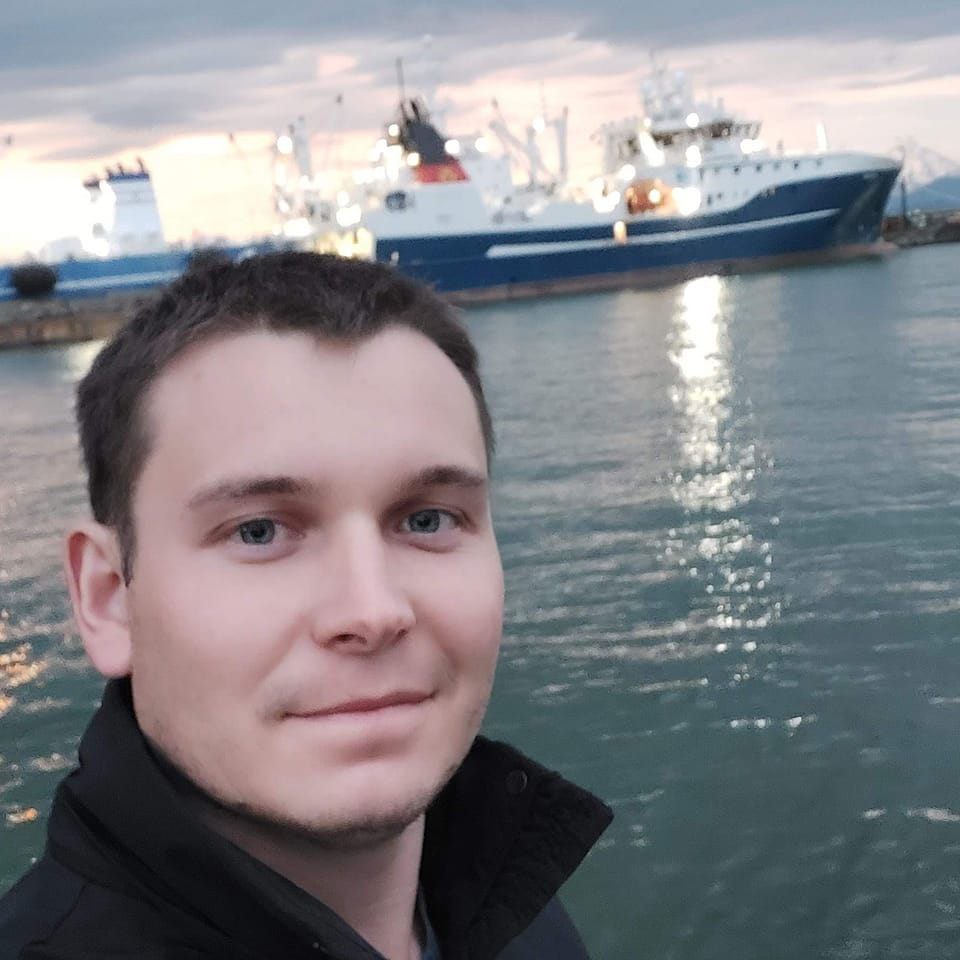
 Hello! My name is Amir, I am 29 years old, from Ufa, Russia. I am married and have a son. My journey into the maritime profession began a long time ago - I studied at the Ufa River College as a mechanic and shipbuilder. I have worked on a variety of vessels: from passenger ships to tankers.
But the salary and seasonal nature of my work didn't suit me - navigation lasted from March to November, and the rest of the time I had free time. That's when I decided to switch to the maritime fleet. I had to start from scratch, despite my experience in the river fleet - everything that happened there didn't count.
Over time, I improved my qualifications and became a third engineer in the fishing fleet. For about two years, I worked on Spanish-made trawlers - fishing for sardines and mackerel, producing whitefish fillets, fishmeal, and fish oil.
The main advantage of the fishing fleet is that, in addition to the base salary, there is a share, a percentage of the catch. But the work is very hard - not only because of the waves and storms but also due to isolation from family, vitamin deficiencies, and moral challenges. The work schedule is usually 6/6 - 6 hours of work, 6 hours of rest.
Working with fish is a real conveyor belt. Everyone performs their tasks, and everything is monotonous: fish, work, fish, work. Variety exists only during product reloading, which takes place at sea, in negative temperatures, in the hold. Imagine: loading 25 kg boxes, three days in a row, with thousands of tons of products ahead. There's nowhere to rest or hide.
Severe penalties for breaking discipline. Alcohol - immediate dismissal and fines up to 50% of salary. Small mistakes are sometimes forgiven, we are all human.
Pros? The food is excellent, buffet-style - you can have whatever you want. Supplies and overalls are of high quality. There's a PlayStation, books, a gym, and even a sauna, but there's little time for entertainment - just a quick meal, shower, and bed.
Regarding the crab fishing fleet, we catch Kamchatka crabs and snow crabs, both live and cooked. There are rumors that they pay more than trawlers, but in reality, it's not so - frequent salary delays and unclear calculations make us doubt. The work schedule is regulated by the captain, usually, no one rests until all the cargo is delivered and checked, and before there were two days without sleep. The crew is small, they have to pay for missing people, but we don't see any money. The 16/8 schedule is more of a myth.
My conclusion: if you want to go to sea, it's better to go under a foreign flag. Show perseverance, study, don't give up - you will succeed. But remember - a sailor is not a profession, it's a way of life, and it's difficult not only for you but also for your loved ones. The Russian fishing fleet is unlikely to offer you financial stability and security.
I've been trying for a year to find a job in Norway and so far without success, but I'm almost halfway there. And a little advice - beware of scammers. I also fell into the trap of one who promised me a job in Norwegian crab fishing. Such people are easy to find through Google - be careful and don't look for easy ways, there aren't any.
Good luck, patience, and a calm sky above your head! May your journey be the beginning of self-realization and achievements.
Hello! My name is Amir, I am 29 years old, from Ufa, Russia. I am married and have a son. My journey into the maritime profession began a long time ago - I studied at the Ufa River College as a mechanic and shipbuilder. I have worked on a variety of vessels: from passenger ships to tankers.
But the salary and seasonal nature of my work didn't suit me - navigation lasted from March to November, and the rest of the time I had free time. That's when I decided to switch to the maritime fleet. I had to start from scratch, despite my experience in the river fleet - everything that happened there didn't count.
Over time, I improved my qualifications and became a third engineer in the fishing fleet. For about two years, I worked on Spanish-made trawlers - fishing for sardines and mackerel, producing whitefish fillets, fishmeal, and fish oil.
The main advantage of the fishing fleet is that, in addition to the base salary, there is a share, a percentage of the catch. But the work is very hard - not only because of the waves and storms but also due to isolation from family, vitamin deficiencies, and moral challenges. The work schedule is usually 6/6 - 6 hours of work, 6 hours of rest.
Working with fish is a real conveyor belt. Everyone performs their tasks, and everything is monotonous: fish, work, fish, work. Variety exists only during product reloading, which takes place at sea, in negative temperatures, in the hold. Imagine: loading 25 kg boxes, three days in a row, with thousands of tons of products ahead. There's nowhere to rest or hide.
Severe penalties for breaking discipline. Alcohol - immediate dismissal and fines up to 50% of salary. Small mistakes are sometimes forgiven, we are all human.
Pros? The food is excellent, buffet-style - you can have whatever you want. Supplies and overalls are of high quality. There's a PlayStation, books, a gym, and even a sauna, but there's little time for entertainment - just a quick meal, shower, and bed.
Regarding the crab fishing fleet, we catch Kamchatka crabs and snow crabs, both live and cooked. There are rumors that they pay more than trawlers, but in reality, it's not so - frequent salary delays and unclear calculations make us doubt. The work schedule is regulated by the captain, usually, no one rests until all the cargo is delivered and checked, and before there were two days without sleep. The crew is small, they have to pay for missing people, but we don't see any money. The 16/8 schedule is more of a myth.
My conclusion: if you want to go to sea, it's better to go under a foreign flag. Show perseverance, study, don't give up - you will succeed. But remember - a sailor is not a profession, it's a way of life, and it's difficult not only for you but also for your loved ones. The Russian fishing fleet is unlikely to offer you financial stability and security.
I've been trying for a year to find a job in Norway and so far without success, but I'm almost halfway there. And a little advice - beware of scammers. I also fell into the trap of one who promised me a job in Norwegian crab fishing. Such people are easy to find through Google - be careful and don't look for easy ways, there aren't any.
Good luck, patience, and a calm sky above your head! May your journey be the beginning of self-realization and achievements.
Next steps
Everything you need to know to get on a fishing vessel: documents, CV, interview, and employer contacts.
We prepare your CV in English and Norwegian, in the format required by employers in the fishing fleet.
List of fishing companies in Norway, Denmark, Ireland, and the UK, with direct contact details.

Your gateway to sea fishing employment opportunities.
Thank you for subscribing! You will receive the latest news from the maritime industry.
Do you have questions about employment in the maritime industry? Schedule a one-on-one consultation (30 min) and receive personalized answers.


