AlexFisherWay on Life and Work in Norway's Coastal Cities: How Do Foreigners Adapt?
Norway's coastal cities offer unique living and working conditions, especially for those who decide to pursue a career in the maritime or fishing industry. These cities attract not only high salaries and social security but also stunning natural landscapes, a high quality of life, and a friendly culture. However, moving to a new country always involves adaptation, and in this article, we will tell you how foreigners can more easily get used to living and working in Norway's coastal cities.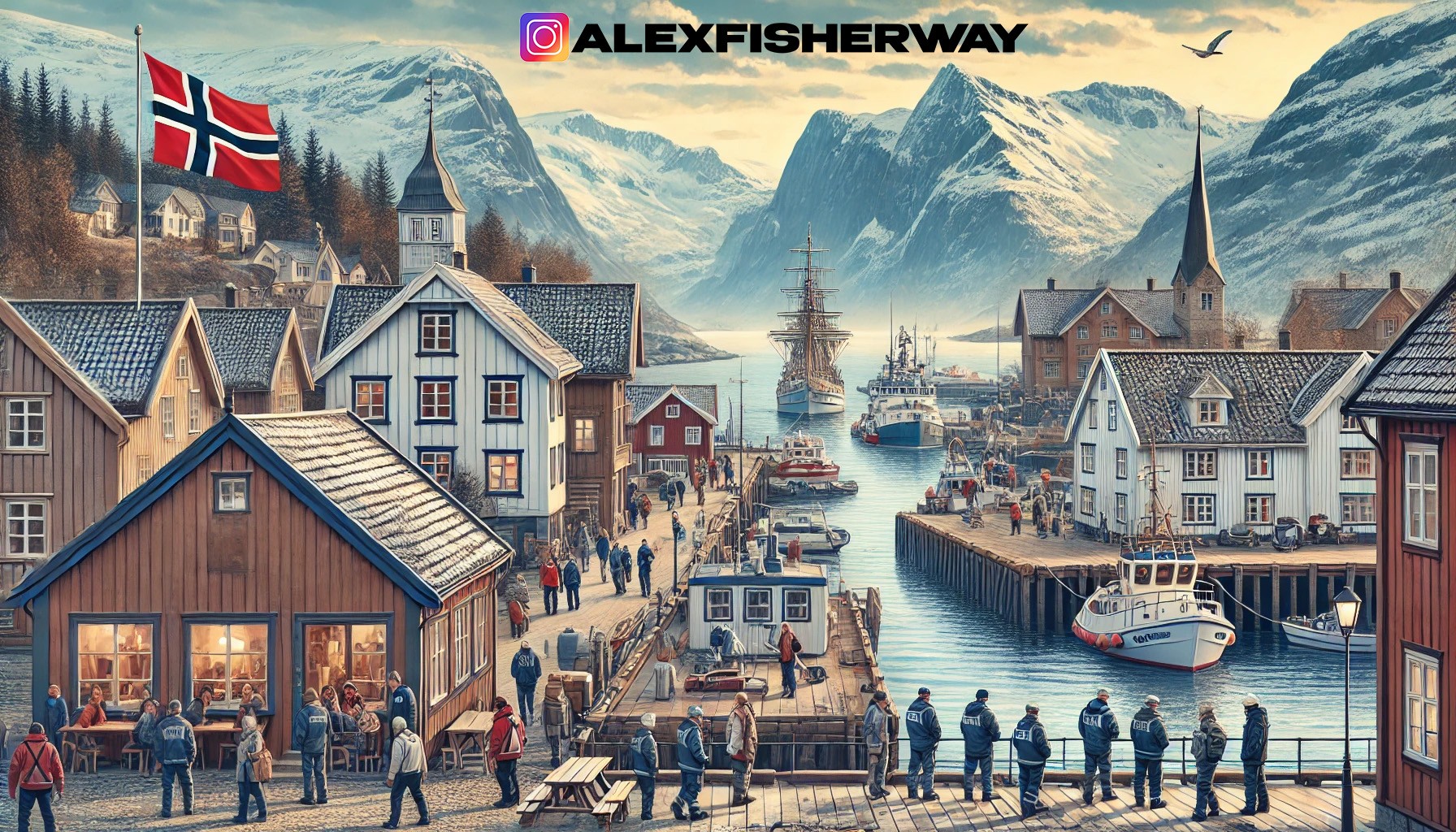 Why Norwegian Coastal Cities Are Popular Among Professionals
Many Norwegian coastal cities, such as Bergen, Stavanger, and Olesund, are key hubs for the fishing and maritime industries.
Workers here have access to high-quality jobs, stable employment, and a wide range of vacancies in shipbuilding, aquaculture, logistics, and seafood processing. But what else makes these cities attractive? Besides favorable working conditions, Norway's coastal cities are renowned for their high living standards, infrastructure, nature, and ecology.
Key Aspects of Adaptation for Foreigners
1. Familiarizing with Culture and Language
Culture: Norwegians in coastal cities are known for their openness, but they can be a bit reserved with those they don't know. It's important to understand and respect this trait and to adhere to etiquette rules, such as punctuality and respect for personal space.
Language: Although many Norwegians speak good English, especially in major cities, knowing at least basic Norwegian will help you in daily life and be an advantage at work. Additionally, knowing the language will help you gain the trust of locals and integrate more quickly into society.
2. Understanding the Work Environment
Hourly Pay and Work-Life Balance: Norwegian culture is centered on work-life balance.
The work schedule is strictly enforced, and overtime is paid at a higher rate. This is particularly important for workers in the fishing industry,
where seasonal peaks may require more intensive work.
Social Protection: Norway offers its employees numerous social security benefits, including healthcare,
leave, and sickness benefits. EU workers also have access to these benefits, making adaptation easier.
3. Living and Housing Conditions
Cost of Living: In coastal cities like Bergen and Stavanger, the cost of living can be high. Foreigners are advised to research the rental market in advance and consider living in the suburbs, where prices are usually lower.
Climate: The Norwegian climate can be challenging for those not used to cold and rainy winters. Coastal cities have a milder climate compared to inland areas, but the humidity and low temperatures are something you need to get used to.
4. Interacting with the Local Community
Social Connections: Norwegians value honesty and sincerity in communication, so it's important to build social connections gradually and genuinely. It's helpful for foreigners to participate in social activities, such as sports clubs or volunteer programs, to meet locals.
Supporting Expat Communities Many coastal cities in Norway have active expat communities where foreigners can share experiences and find support. Participating in such communities helps you adapt faster and find answers to questions about daily life.
Useful Tips for Adaptation
1. Attend Local Events and Festivals: This will help you learn about Norwegian culture and make friends. For example, celebrating Constitution Day on May 17th is an important event that brings together people of all ages.
2. Learn Local Norms and Laws: Norway has strictly enforced environmental laws and is known for its respect for nature. It's important for foreigners to understand and respect these norms to avoid conflicts and feel more comfortable.
2. Dress for the Weather: Weather conditions can change dramatically, and it's worth being prepared for different seasons. Norwegians follow the rule:
"There's no bad weather, only bad clothing," so warm jackets, waterproofs, and good footwear are essential for comfortable living in coastal cities.
Conclusions
Living and working in Norway's coastal cities can be an exciting and rewarding experience for foreigners who are ready for new challenges and want to build a career in a stable and highly developed country. Considering the cultural context, climate, and social protection, adaptation will be easier, and moving will be the first step towards new opportunities and a quality life.
Why Norwegian Coastal Cities Are Popular Among Professionals
Many Norwegian coastal cities, such as Bergen, Stavanger, and Olesund, are key hubs for the fishing and maritime industries.
Workers here have access to high-quality jobs, stable employment, and a wide range of vacancies in shipbuilding, aquaculture, logistics, and seafood processing. But what else makes these cities attractive? Besides favorable working conditions, Norway's coastal cities are renowned for their high living standards, infrastructure, nature, and ecology.
Key Aspects of Adaptation for Foreigners
1. Familiarizing with Culture and Language
Culture: Norwegians in coastal cities are known for their openness, but they can be a bit reserved with those they don't know. It's important to understand and respect this trait and to adhere to etiquette rules, such as punctuality and respect for personal space.
Language: Although many Norwegians speak good English, especially in major cities, knowing at least basic Norwegian will help you in daily life and be an advantage at work. Additionally, knowing the language will help you gain the trust of locals and integrate more quickly into society.
2. Understanding the Work Environment
Hourly Pay and Work-Life Balance: Norwegian culture is centered on work-life balance.
The work schedule is strictly enforced, and overtime is paid at a higher rate. This is particularly important for workers in the fishing industry,
where seasonal peaks may require more intensive work.
Social Protection: Norway offers its employees numerous social security benefits, including healthcare,
leave, and sickness benefits. EU workers also have access to these benefits, making adaptation easier.
3. Living and Housing Conditions
Cost of Living: In coastal cities like Bergen and Stavanger, the cost of living can be high. Foreigners are advised to research the rental market in advance and consider living in the suburbs, where prices are usually lower.
Climate: The Norwegian climate can be challenging for those not used to cold and rainy winters. Coastal cities have a milder climate compared to inland areas, but the humidity and low temperatures are something you need to get used to.
4. Interacting with the Local Community
Social Connections: Norwegians value honesty and sincerity in communication, so it's important to build social connections gradually and genuinely. It's helpful for foreigners to participate in social activities, such as sports clubs or volunteer programs, to meet locals.
Supporting Expat Communities Many coastal cities in Norway have active expat communities where foreigners can share experiences and find support. Participating in such communities helps you adapt faster and find answers to questions about daily life.
Useful Tips for Adaptation
1. Attend Local Events and Festivals: This will help you learn about Norwegian culture and make friends. For example, celebrating Constitution Day on May 17th is an important event that brings together people of all ages.
2. Learn Local Norms and Laws: Norway has strictly enforced environmental laws and is known for its respect for nature. It's important for foreigners to understand and respect these norms to avoid conflicts and feel more comfortable.
2. Dress for the Weather: Weather conditions can change dramatically, and it's worth being prepared for different seasons. Norwegians follow the rule:
"There's no bad weather, only bad clothing," so warm jackets, waterproofs, and good footwear are essential for comfortable living in coastal cities.
Conclusions
Living and working in Norway's coastal cities can be an exciting and rewarding experience for foreigners who are ready for new challenges and want to build a career in a stable and highly developed country. Considering the cultural context, climate, and social protection, adaptation will be easier, and moving will be the first step towards new opportunities and a quality life.
Check out my lesson freelesson where I explain in detail how you can get a job at sea. and start earning a decent salary:
 Free lesson!