Articles
Articles
 1. The First Step: Seeking Opportunities
My interest in working at sea began after I accidentally watched a video about crab fishing in Norway. The video described the harsh working conditions but also the significant earnings that could provide stability and a future for many. It was a source of inspiration, but finding my way into this industry was not easy. I started gathering information, studying the documents and requirements to work on crab fishing vessels.
2. Preparation and Initial Difficulties
To get a job in Norway, it was necessary to pass a medical exam, paperwork, and safety certificates.
I traveled to Constanța, Romania, where I could attend a course for seafarers. There, despite the standard waiting times, I managed to get a quick start. The course lasted 10 days and was a real challenge: intensive training, physical effort, and the need to learn complex skills.
After completing the training, I passed a medical exam and, without wasting time, bought a ticket to Norway. When I arrived in Oslo, I didn't yet have a job, but I was determined to find my place in the industry.
3. Job Search and Initial Successes
The first two weeks of job searching in Norway were a real challenge. I stayed with an acquaintance and spent every day looking for vacancies, calling companies, and contacting potential employers. My patience and perseverance paid off: I found several job opportunities on board vessels that could become available at the start of the season. However, fate smiled on me sooner - I received a job offer at a fish factory that was looking for workers. This experience was a short but important step: a few days later, I was offered a contract on a crab fishing vessel.
4. Challenges and Achievements on the Vessel
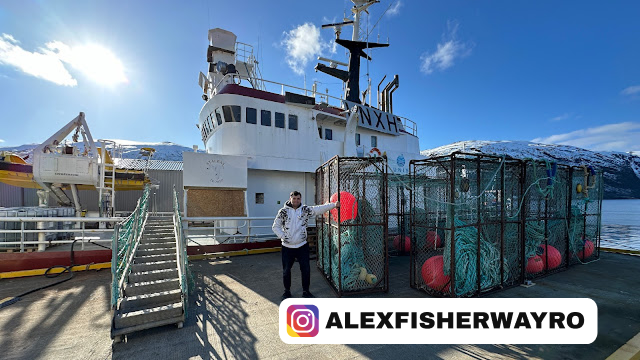
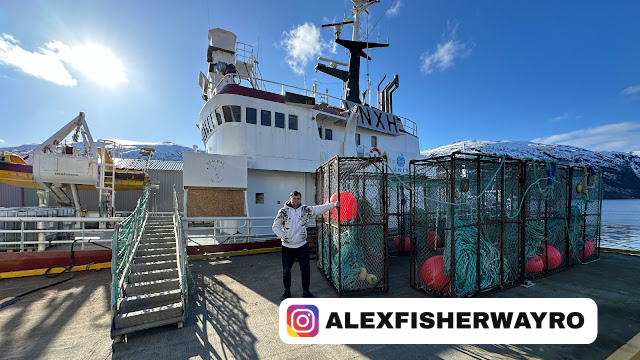
Working on a crab fishing vessel is not only a significant income but also physically demanding work. Each sea voyage is a test of strength and endurance. I was involved in repair work, learned to use complex equipment, and always strive to improve my skills.
The tough conditions, unpredictable weather, and long hours without sleep became my routine. But each successful catch and every day spent on board boosted my confidence.
My goal is to enable people to develop in this complex and dynamic industry, avoiding the mistakes and challenges I faced.
6. Lessons I've Learned
1. The First Step: Seeking Opportunities
My interest in working at sea began after I accidentally watched a video about crab fishing in Norway. The video described the harsh working conditions but also the significant earnings that could provide stability and a future for many. It was a source of inspiration, but finding my way into this industry was not easy. I started gathering information, studying the documents and requirements to work on crab fishing vessels.
2. Preparation and Initial Difficulties
To get a job in Norway, it was necessary to pass a medical exam, paperwork, and safety certificates.
I traveled to Constanța, Romania, where I could attend a course for seafarers. There, despite the standard waiting times, I managed to get a quick start. The course lasted 10 days and was a real challenge: intensive training, physical effort, and the need to learn complex skills.
After completing the training, I passed a medical exam and, without wasting time, bought a ticket to Norway. When I arrived in Oslo, I didn't yet have a job, but I was determined to find my place in the industry.
3. Job Search and Initial Successes
The first two weeks of job searching in Norway were a real challenge. I stayed with an acquaintance and spent every day looking for vacancies, calling companies, and contacting potential employers. My patience and perseverance paid off: I found several job opportunities on board vessels that could become available at the start of the season. However, fate smiled on me sooner - I received a job offer at a fish factory that was looking for workers. This experience was a short but important step: a few days later, I was offered a contract on a crab fishing vessel.
4. Challenges and Achievements on the Vessel
Working on a crab fishing vessel is not only a significant income but also physically demanding work. Each sea voyage is a test of strength and endurance. I was involved in repair work, learned to use complex equipment, and always strive to improve my skills.
The tough conditions, unpredictable weather, and long hours without sleep became my routine. But each successful catch and every day spent on board boosted my confidence.
My goal is to enable people to develop in this complex and dynamic industry, avoiding the mistakes and challenges I faced.
6. Lessons I've Learned
 Free lesson!
Next steps
Everything you need to know to get on a fishing vessel: documents, CV, interview, and employer contacts.
We prepare your CV in English and Norwegian, in the format required by employers in the fishing fleet.
List of fishing companies in Norway, Denmark, Ireland, and the UK, with direct contact details.

Your gateway to sea fishing employment opportunities.
Thank you for subscribing! You will receive the latest news from the maritime industry.
Do you have questions about employment in the maritime industry? Schedule a one-on-one consultation (30 min) and receive personalized answers.


